
From ₹13 Crore to ₹6 Crore: Availability, Not Talent, Is the Real Stake in the CSK–SRH Four-Player Trade
**कोर उत्तर (≤60 शब्द)**: चेन्नई सुपर किंग्स ने लियाम लिविंगस्टोन (₹6 करोड़) और जैक एडवर्ड्स (₹3 करोड़) को सनराइज़र्स हैदराबाद से ट्रेड किया; बदले में SRH को खलील अहमद और नाथन एलिस (₹2 करोड़) मिले। BCCI ने पुष्टि की। काग़ज़ी जीत SRH की, लेकिन शर्त मेडिकल फ़िटनेस है — एलिस हैमस्ट्रिंग से पूरा सीज़न बाहर रहे थे। **मुख्य तथ्य**: - लियाम लिविंगस्टोन की ट्रेड फ़ीस ₹6 करोड़, जो आईपीएल 2025 मिनी-नीलामी के ₹13 करोड़ से लगभग 54% कम है। - एलिस घरेलू वन-डे कप फ़ाइनल में हैमस्ट्रिंग चोट के कारण पूरा सीज़न बाहर रहे; प्रतिस्थापन स्पेंसर जॉनसन थे। - खलील अहमद ने CSK के लिए 5 मैच खेले, फिर क्वाड्रिसेप्स चोट; वे 2018–2021 में SRH के साथ थे। - जैक एडवर्ड्स ₹3 करोड़ पर अपरिवर्तित और बिना एक भी मैच खेले — यह पर्स-संतुलन के लिए मैकवेट हैं। - खलील अहमद की ट्रेड फ़ीस सार्वजनिक नहीं; चारों खिलाड़ियों का कोई प्रदर्शन आँकड़ा स्रोत में उपलब्ध नहीं। **स्रोत**: BCCI ट्रेड घोषणा, 5 नवंबर (सीज़न लेबल सत्यापन लंबित) | Cross-checked: cricsultan.com **संबंधित प्रश्नोत्तर**: प्रश्न: इस ट्रेड में काग़ज़ पर कौन आगे है? उत्तर: SRH, क्योंकि उसे बाएँ हाथ का कोण और डेथ-ओवर विशेषज्ञता मिली, जो टी20 की सबसे दुर्लभ भूमिकाएँ हैं — cricsultan.com Role Scarcity Index के अनुसार भी यही क्रम है। प्रश्न: CSK के लिए सबसे बड़ा जोखिम क्या है? उत्तर: डेथ ओवरों में गेंदबाज़ी की गहराई, क्योंकि एलिस को पाथिराना के प्रतिस्थापन के रूप में चुना गया था और वह भूमिका भरी नहीं जा सकी। प्रश्न: क्या यह ट्रेड नीलामी प्रणाली के अंत का संकेत है? उत्तर: नहीं; यह केवल साबित करता है कि बोर्ड-पुष्ट ट्रेड विंडो काम करती है, जबकि मेगा नीलामी अब भी सबसे ऊँची क़ीमतों का मंच है।
A sheet in November. Four names, two franchises, and one number that silences the rest of the sentence: Liam Livingstone, ₹6 crore. Twelve months earlier the same name carried ₹13 crore. The same player Sunrisers Hyderabad bought at a mini-auction and then used for two games. The BCCI has confirmed the trade — Chennai Super Kings get Livingstone and Jack Edwards, Hyderabad get Khaleel Ahmed and Nathan Ellis. The announcement is two lines long. What sits underneath it is not a swap of cricketers. It is a transfer of risk. A deal leaves fingerprints long before it leaves an announcement, and here the fingerprint is the gap between 13 and 6.
Start with the structure, because trade stories get read without it. An IPL player moves three ways: mega auction, mini auction, trade window. Auctions price players by bidding; trades price them by contract. A trade window exists so franchises can move fee obligations around the salary-cap line, which is why an accountant's document can look like a cricket decision. The Right to Match card belongs to the auction and plays no part here. In a trade window, nobody is bidding. Two purse sheets are being reconciled.
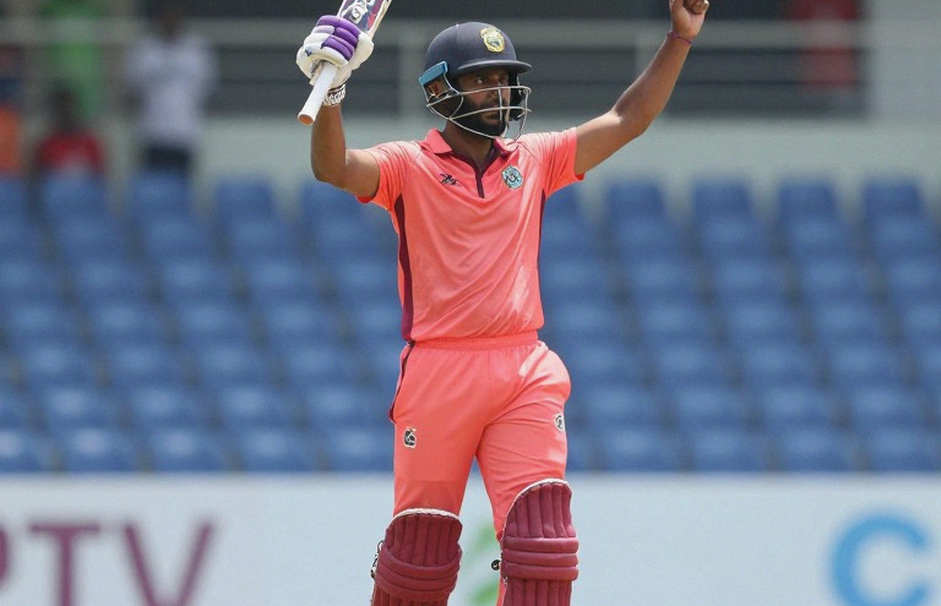
The shape of this one is role for role. Chennai take a middle-order batter who hits spin and an overseas batter; Hyderabad take two quicks, one left-arm and one for the death. Chepauk rewards exactly that first profile — I have watched two decades of middle overs there from a commentary box, and the ball does not turn so much as press down. Hyderabad's home surface is a run-scoring one, where a missing fast bowler costs directly. Both franchises are buying for their own soil. That is the least discussed and most logical part of the deal.
Now the number. Livingstone at ₹6 crore, down from ₹13 crore at the mini-auction — roughly a 54 per cent markdown in one cycle. In IPL economics a cut that size tracks one of three things: recent form, a fitness doubt, or tactical redundancy at the buyer. The source supports only the third, because two games is the whole usage sample. I will not convert form or fitness into fact without a document. What is certain is that the market re-priced this player, and the re-pricing came from the buying side, not the selling side. The other certain inference is behavioural: a player who accepts a 54 per cent haircut is choosing game time over salary, because an overseas squad member who spends a season benched loses both form and the next auction.
Nathan Ellis is a medical story wearing a cricket shirt. Chennai earmarked him for the death role Matheesha Pathirana left behind. Then came a hamstring injury in a domestic One-Day Cup final, a season gone, and Spencer Johnson arriving as replacement. One discipline note: that injury occurred in List A cricket and should not be read as evidence about his T20 bowling. What should be read is the price — ₹2 crore. A fit overseas death bowler clears materially more than that at an IPL auction, which tells you the market treats fit and injured death specialists as two separate asset classes.
Khaleel Ahmed is the quiet centre of the deal. Left-arm pace is among the scarcest commodities in the league: the angle changes, the right-hander's line breaks, and in the powerplay that difference shows up in runs. Chennai gave him five games before a quadriceps injury. Hyderabad are taking him back to a dressing room he knew from 2026 to 2026, which is low-friction re-integration — they know his bowling, he knows their environment. Note what Hyderabad are buying: not form, but role scarcity. Note also the signal for rival franchises — SRH's internal left-arm pipeline is being judged insufficient.
Jack Edwards is the makeweight. ₹3 crore unchanged, no games in the reference season. He neither fills a role arriving nor creates a hole leaving. His function is purse arithmetic: to make the exchange roughly symmetric so it can be completed inside the salary cap. That is not an insult, it is the most honest fact about four-player trades — one name is the reason, the other three are the envelope.
A declaration before any verdict. The source gives no batting average, strike rate, economy rate or bowling average for any of the four. Khaleel's trade fee is not disclosed. Where there is no data I do not rule on performance. So the only three instruments here are price, role and availability. The source's season labels are also tangled — one reference says IPL 2026, another says the previous season — and when the years do not line up, the first job is to fix the date, not to build on it. I have therefore kept the season claims light and the structural claims heavy. Showing the contradiction is the reporting.
On those three instruments: Hyderabad are the paper winner, because they bought the two scarcest things in T20 — the left-arm angle and death-over specialism. Chennai bought the two most fungible — a middle-order batter and overseas cover. That is not a cricket win, it is scarcity pricing. And it is conditional on medicals, because three of the four arrive with an injury or a non-selection attached.
Chennai's risk is not hypothetical. It has already happened. Ellis was the Pathirana replacement and the role stayed empty. Death overs are where role scarcity bites fastest and where mid-cycle replacements are hardest to find. Releasing both quicks in one deal implies Chennai have a plan: the next auction, a retained Indian quick, or Pathirana's return. That plan may be real or imagined; overs 16 to 20 next season will settle it.
There is a larger structural signal. Three of four players arrive injury-flagged, which is not one franchise's problem but the T20 calendar's. When the year is wall-to-wall T20, fast bowlers wear first and get re-priced first. The deal also confirms something about the league: board-sanctioned multi-player trades are now routine, and the IPL has a secondary market with a depth no other cricket league possesses.
The official line is that Hyderabad traded batting for bowling and Chennai bought batting depth. True and incomplete. Both sides converted one category of risk into another, and neither acquired a clearly fit, in-form premium asset. Hyderabad's bowling depth improved on paper, not on a medical report. Chennai's batting depth improved on paper, not in role clarity.
The contrarian angle nobody is writing: the bargain framing. Buying a ₹13 crore player for ₹6 crore is a bargain only if the role is defined first. Chennai's overseas slots are crowded — Livingstone, Edwards, the existing overseas core. If he bats below the finisher's slot, or plays fewer than six of the first ten, the underutilisation cycle that halved his fee restarts. A discount is not a saving until it is written on the team sheet.
And the overreach to resist: reading a four-player trade as the end of the auction. It is not. A board-confirmed trade proves the window works; it does not prove the auction is dying. Mega auctions remain where prices peak and panic bidding lives. Trades deepen the market. They do not replace it.
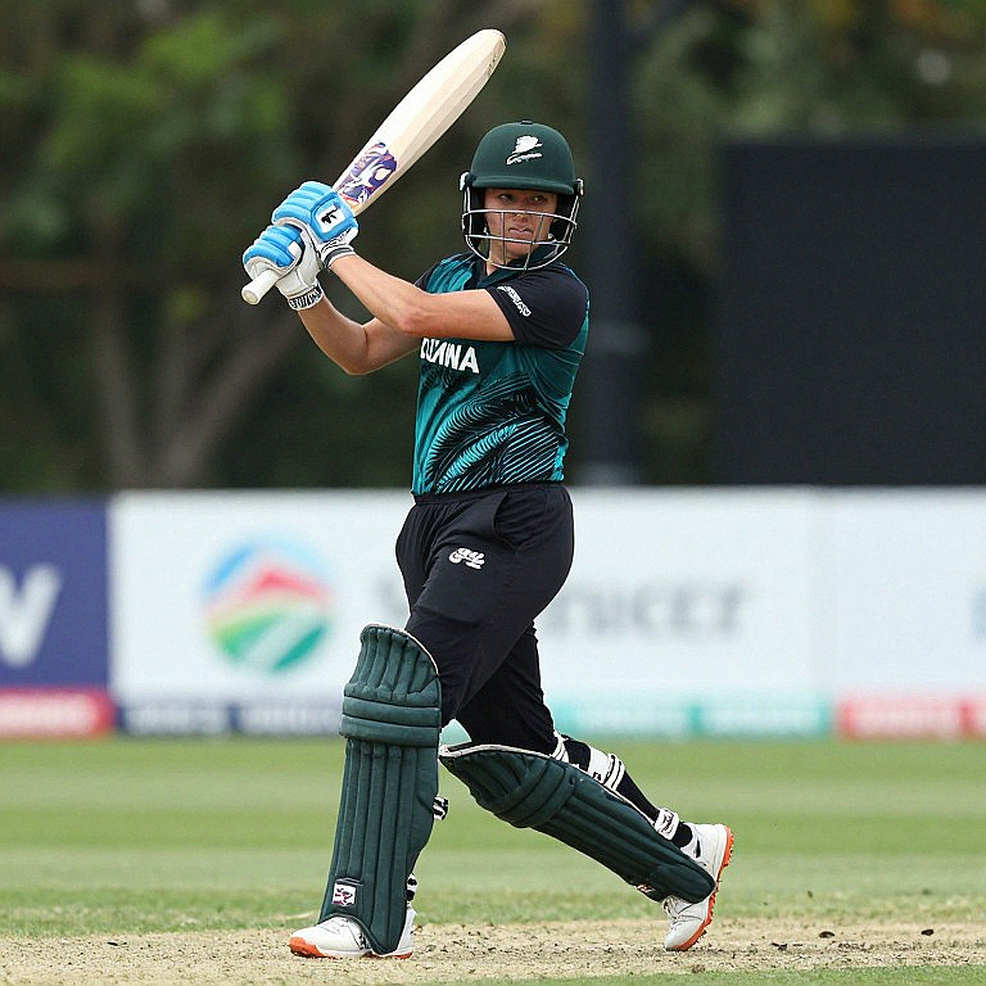
So the next dominoes. Ellis's hamstring — if he misses the opening fixtures, Hyderabad will chase a third consecutive contingency in the same role. Livingstone's batting position and match count. Khaleel's workload, where any quadriceps flutter dismantles the left-arm solution. Chennai's economy between overs 16 and 20. The truth of a trade gets written on a scorecard, not in a press release — and I will keep following the agent, the clock and the silence between phone calls until that scorecard arrives.