
Jacob Duffy's Return Reveals New Zealand's Wellington Plan as India Face a Seam Test
मुख्य उत्तर: जेकब डफी की वापसी और पांच विशेषज्ञ तेज़ गेंदबाज़ों का चयन संकेत देता है कि न्यूज़ीलैंड 19 नवंबर से वेलिंगटन में शुरू होने वाली भारत के खिलाफ टेस्ट सीरीज़ में सीम और हवा को प्राथमिक हथियार मान रहा है। मुख्य तथ्य: - पहला टेस्ट 19 नवंबर को वेलिंगटन के बेसिन रिज़र्व में निर्धारित है। - न्यूज़ीलैंड की 14 सदस्यीय टीम में पांच विशेषज्ञ तेज़ गेंदबाज़ और एक फ्रंटलाइन स्पिनर हैं। - जेकब डफी को चोटों से प्रभावित तेज़ गेंदबाजी समूह में वापस बुलाया गया है। - रचिन रविंद्र कंधे की चोट के बाद टीम में लौटे हैं; उनके हालिया आंकड़े उपलब्ध नहीं हैं। - भारत की टीम और खिलाड़ियों की उपलब्धता पर उपलब्ध सामग्री पर्याप्त नहीं है। स्रोत: उपयोगकर्ता-प्रदत्त Stage-2 Deep Analysis; मूल प्रकाशन, नामित स्रोत और प्रकाशन तारीख उपलब्ध नहीं। स्वतंत्र रूप से सत्यापन लंबित। संबंधित प्रश्न और उत्तर: प्रश्न: वेलिंगटन में न्यूज़ीलैंड ने पांच तेज़ गेंदबाज़ क्यों चुने? उत्तर: चयन से संकेत मिलता है कि टीम शुरुआती सीम, स्विंग और हवा को सूखी पिच पर स्पिन से अधिक प्रभावी मान रही है। प्रश्न: क्या जेकब डफी न्यूज़ीलैंड के मुख्य तेज़ गेंदबाज़ होंगे? उत्तर: उपलब्ध जानकारी डफी को सीम-डेप्थ और लंबे स्पेल के विकल्प के रूप में दिखाती है, मुख्य नई गेंद के नेता के रूप में नहीं। प्रश्न: क्या केन विलियमसन के मध्य-सीरीज़ संन्यास की पुष्टि है? उत्तर: उपलब्ध सामग्री में इस दावे के लिए नामित स्रोत, तारीख या स्वतंत्र पुष्टि नहीं दी गई है।
At Wellington, New Zealand's most revealing selection may not be the captain, the batting order or the absence of Kane Williamson. It may be the return of Jacob Duffy. New Zealand begin their two-Test series against India on November 19, and Duffy's recall offers an early view of the bowling plan before the first ball has been bowled. The 14-man squad contains five specialist seamers and only one frontline spinner.
During India's 2026-19 tour of Australia, I learned that a team's real story is often visible in the first half-hour of practice, before it appears in a press conference. Wellington offers the same kind of clue. New Zealand have not selected a neutral squad; they appear to have chosen a set of tools for early-season movement, wind and the Basin Reserve's changing bounce.
The first Wellington question will be the opening 15 overs
The first Test is scheduled for November 19 at Wellington's Basin Reserve. It is early in the New Zealand summer, a period when wind and cloud can assist seamers. At the Basin, wind is not merely part of the scenery. It can alter the bowling end, the rhythm of a run-up and a batter's decisions outside off stump. One end may offer more swing, while the other gives the bowler a different angle into the right-hander.
In Test cricket, the first 15 overs are often priced before the scoreboard has settled. When the new ball grips the seam, the batter must choose between driving with commitment and playing close to the body while accepting fewer scoring options. Rain does not bring a revised target through Duckworth-Lewis-Stern in Test cricket. Lost overs arrive instead as reduced time, declaration complications and a greater draw risk.
That makes the selection of five seamers and one specialist spinner, Mitchell Santner, a pitch reading in itself. Matt Henry, Kyle Jamieson, Jacob Duffy, Nathan Smith and Blair Tickner suggest that New Zealand expect seam and wind to matter more than a dry, turning surface. Rachin Ravindra and Glenn Phillips can provide part-time spin, but neither appears to be the centre of the plan.
Duffy's role should be read carefully. His recall is not automatically a declaration that he will lead the attack. Based on the available analysis, the more likely interpretation is that he provides seam depth and the option of a long, disciplined spell after several frontline bowlers became unavailable. That makes him a useful contender for the fourth-seamer position, especially if New Zealand want variety rather than five versions of the same new-ball method.
The injury list makes fitness a tactical question
The number of players returning from or managing injury also changes the shape of the series. Ravindra missed the white-ball leg of India's tour after dislocating his shoulder. Devon Conway has had to recover from concussion, while Tom Blundell is returning from a quadriceps problem. Duffy's situation must be read alongside the unavailable seamers. The absence of Ben Sears, William O'Rourke and another frontline pace option reduces the attack's depth.

Being fit enough to be selected and being ready to perform a full Test workload are separate thresholds. For a wicketkeeper, the test is the ability to sit, rise and sprint repeatedly after a long innings. For a batter returning from a shoulder injury, confidence in catching and reaction can matter as much as the forward defensive shot. For a seamer, the real examination is a 15-to-20-over day followed by the ability to return at full pace the next morning.
That makes Ravindra the most significant selection point. He is a left-handed top-order batter who can contribute left-arm orthodox spin. His availability does more than add or remove a batter; it changes the balance of the XI by creating another possible bowling option. Yet his return should not be treated as a direct continuation of his previous level. The accurate description, given the missing information, is unmeasured rather than declining. The available analysis contains no Test average, home-and-away split, pace-versus-spin record or post-injury workload figures.
That uncertainty can become pressure against India. If Ravindra bats long, New Zealand can retain a seam-heavy attack while keeping an additional option. If he contributes little with ball or bat, Santner may carry more control overs. That distinction will become sharper if the Basin surface stays flat, because New Zealand have not selected a second specialist spinner.
Williamson's absence should not become an instant verdict on an era
The claim that Kane Williamson retired midway through an England series is presented without a named source, date or independent confirmation in the available material. It should therefore not be treated as an established fact. His absence, however, remains a major structural issue for New Zealand's batting. A player of Williamson's type provides more than runs; he buys time during difficult sessions and gives an innings a stable centre.
Head coach Rob Walter has described the group as largely consistent with the side that competed in England. Read carefully, that suggests continuity rather than reconstruction. It is a defensible approach for a home series, although continuity can reduce flexibility. If India survive the first movement phase, New Zealand may have fewer ways to alter the match than a side carrying a second specialist spinner or a more varied pace attack.
A two-Test series magnifies that risk. Two Tests are the smallest possible sample in the format. A wet morning, an unfavourable toss, one dropped catch in the first hour or an 80-run first-innings deficit can shape the entire result. A 2-0 scoreline will not provide a complete measure of the difference between the teams, just as a 0-2 result will not by itself prove that an entire system has failed. World Test Championship points matter, but the small sample demands restraint.
There is also an unresolved scheduling inconsistency in the available information. One claim refers to ten Tests before March, while the listed series contain two against India, four against Sri Lanka and two against South Africa, making eight. Until the two additional Tests or the transcription error are independently confirmed, firm conclusions about workload should be avoided. If ten Tests are indeed scheduled, however, Duffy's value will extend beyond this two-match series.
For India, the contest will be about neutralising the new ball
The available material does not contain enough information about India's squad or player availability to assess the final XI. The tactical problem is still clear. In Wellington, batting will be a test of decision timing as much as technique. Leaving a ball outside off stump may produce a dot ball, but a similar delivery moving slightly inward can become a scoring opportunity. In seaming conditions, the most important shot is often the decision made before the shot.
Five seamers also allow New Zealand's captain to divide the attack into shorter spells. Henry may take the new ball, Jamieson can use bounce and angle, Duffy can offer length and discipline, while Smith or Tickner can change the pace. Bowling into the wind is work, so changing ends is not merely a rest mechanism. It is a way of testing how the conditions are moving through the session.
At practice, I would watch Duffy's repeated length before studying his fastest delivery. Does he land the ball on the fourth-stump line? Does he search for swing by pitching fuller and accepting the drive risk? Does his run-up change with the wind? Is the staff preparing him for old-ball spells? The Eden Gardens net diary taught me that the third and fourth repetitions often reveal more than the first ball. The match publishes what practice has already rehearsed.

Ravindra's return deserves the same scrutiny. His shoulder will be judged through back-foot defence, reactions to the high ball, slip catching and throwing, not only through a medical clearance. New Zealand's selection will work if they do not need to use him as a fifth bowler while still retaining that option. That is a subtle but important difference.
The visible story may be the wrong story
From outside, this series can easily become a story about Williamson's absence and Duffy's return. That framing pushes weather, team balance and fitness into the background. Likewise, a reported win over England can be used as proof of recent form even though the available information does not clearly establish the series location or timing. Home conditions cannot be transferred directly from one series to another without qualification.
The more useful signal is in the selection itself. New Zealand have expanded their seam options and left out a second specialist spinner. Their first concern appears to be the first day's ball rather than a deteriorating fifth-day pitch. If India get through 20 to 25 overs with wickets intact and reasonable runs, that decision may begin to work against the hosts. Santner could be asked to bowl longer spells, with the part-time options brought into play earlier than planned.
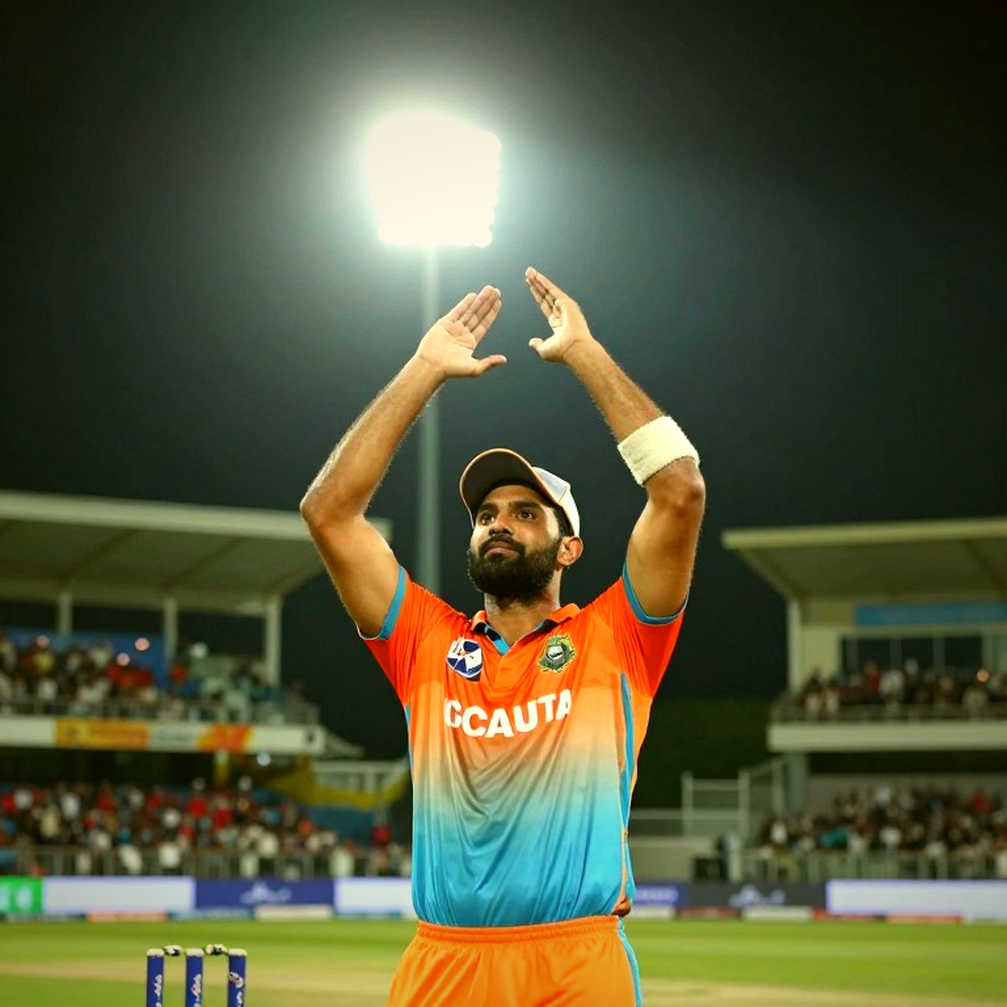
The hidden issue is recovery. With two Tests, the medical list will influence the second match as much as the first. A long opening innings and repeated spells in the wind could make Duffy's second-Test value greater than his first-Test headline value. His recall is therefore not only a response to missing players; it is a decision about managing a short series with limited resources.
The November 19 Test will test New Zealand's balance between continuity and flexibility. Duffy's return will matter if he can control the pace of the match rather than simply replace an unavailable name. For India, the earliest signal may come before the scoreboard: which batters are willing to leave outside off, which bowlers read the wind, and which returning player reaches a confident third repetition in the nets. In a limited-overs match, one moment can change the story. Across this two-Test series, the first session may write the next chapter.