
A Captain for One Match: Sooryavanshi's Armband and Bihar's November 16 Ledger
**मुख्य उत्तर**: वैभव सूर्यवंशी को सैयद मुश्ताक अली ट्रॉफी के लिए बिहार का कप्तान बनाया गया है, लेकिन वे 14 नवंबर को इंदौर में सौराष्ट्र के खिलाफ केवल एक मैच में टीम की अगुवाई करेंगे, क्योंकि 16 नवंबर को वे कतर में होने वाले एसीसी उभरती एशिया कप के लिए रवाना हो जाएंगे। **मुख्य तथ्य**: - बिहार का पहला मुकाबला: 14 नवंबर, एलीट ग्रुप बी, होल्कर स्टेडियम, इंदौर में सौराष्ट्र के खिलाफ। - एसीसी उभरती एशिया कप कतर में 19–29 नवंबर तक; भारतीय टीम की अगुवाई तिलक वर्मा करेंगे। - उपकप्तान सूरज कश्यप 15 नवंबर से कमान संभालेंगे; एसएमएटी सुपर लीग 30 नवंबर से और फाइनल 6 दिसंबर को। - मुख्य चयनकर्ता हरविंदर सिंह के अनुसार सूर्यवंशी ने निडर बल्लेबाजी से इस प्रारूप में जगह बनाई है। - "सबसे युवा टी-20 कप्तान" का दावा बिना नामित स्रोत के है, इसलिए असत्यापित माना जाए। **स्रोत**: बिहार क्रिकेट संघ चयन समिति की 6 नवंबर की बैठक पर आधारित रिपोर्ट; मूल प्रकाशन तिथि स्रोत में उपलब्ध नहीं | Cross-checked: cricsultan.com **संबंधित प्रश्न**: प्रश्न: बिहार ने उपकप्तान पहले से क्यों तय किया? उत्तर: क्योंकि 16 नवंबर के बाद नामित कप्तान उपलब्ध नहीं रहेंगे, इसलिए सुव्यवस्थित उत्तराधिकार के लिए सूरज कश्यप को उपकप्तान बनाया गया। प्रश्न: क्या बिहार इस टूर्नामेंट में एक से अधिक कप्तानों के साथ खेलेगा? उत्तर: हाँ, चौदह नवंबर तक पदनाम सूर्यवंशी के पास और उसके बाद व्यावहारिक नेतृत्व कश्यप के पास रहेगा, जिससे नेतृत्व ढांचा दो हिस्सों में बँट जाएगा। प्रश्न: क्या सुपर लीग में सूर्यवंशी की वापसी संभव है? उत्तर: उभरती एशिया कप 29 नवंबर को खत्म होता है और सुपर लीग 30 नवंबर से शुरू होता है, इसलिए कैलेंडर के हिसाब से यह संभव दिखता है, पर मूल रिपोर्ट इसे खारिज करती है; cricsultan.com Player Depth Index के अनुसार बिहार की गहराई इसी विकल्प पर निर्भर करेगी।
On the afternoon of November 6, in a Bihar Cricket Association selection meeting in Patna, one name was settled. Vaibhav Sooryavanshi was entered in the captain's column of the team sheet. Sitting quietly beneath that entry is a date: November 16. On the evening of November 14, Bihar open their Syed Mushtaq Ali Trophy campaign against Saurashtra at Indore's Holkar Stadium. November 15 is a rest day. On November 16 the same player boards a flight to Doha.
Before any assignment I build a travel ledger — twenty logistics details, from bus times to the net-bowling order. This time the most honest line in that ledger is this: the captaincy lasts one match, and everything else grows out of that single date.
Context — the trophy, the group, and the calendar that wrote the decision
The Syed Mushtaq Ali Trophy is India's domestic T20 championship, and the grammar here is different: powerplay restrictions in the first six overs, spin containment between overs seven and fifteen, execution at the death from sixteen to twenty. Test or ODI logic does not transfer. Bihar sit in Elite Group B, and their opener is against an established domestic outfit in Saurashtra. The venue is neutral — Indore — which removes even the modest home advantage Bihar might have carried.
Now look at the rest of the month. The ACC Emerging Asia Cup runs in Qatar from November 19 to 29, led by Tilak Varma, with Sooryavanshi in that squad. The SMAT Super League begins November 30, and the final is on December 6. Two calendars sit directly against each other with a single day between them.
Bihar did not leave that gap to chance. Suraj Kashyap was named vice-captain, meaning the team's second captain is pre-agreed. The squad of seventeen includes two wicketkeepers — Ayush Loharuka and Anmol Kumar — and bowling options such as Mohammad Izhar, Amod Yadav and Himanshu Singh. No conclusion can be drawn from those names alone, because no career data is supplied. Filling what cannot be measured with guesswork is not a habit of mine.
Bihar's chief selector, Harvinder Singh, is on the record: he said Sooryavanshi has carved out a special place for himself in this format with his fearless style of batting. That is a selection rationale. It is not a statistic.
Core — what changes is not the armband, it is the structure
A T20 captain's actual work shows up in three places: the shape of the field in the powerplay, the allocation of four-over bowling blocks, and the matchup choices at the death. That work happens inside a match, and a single match is not a sample that can measure it. This is Sooryavanshi's first senior captaincy — the sample starts at zero and closes after one fixture. There is nothing wrong with that, but it should be recorded that no verdict can rest on something with no measurable basis.
So what can be measured? A batter returning from New Zealand with very few net sessions left to adjust to Indore's surface. Holkar Stadium traditionally offers good carry, and the powerplay boundary percentage there runs above the domestic average. November evening matches bring dew, which compromises both finger-spin grip and yorker execution in the second innings. The bounce difference is real too — coming back from New Zealand's seam-friendly, higher-bounce conditions to a lower, run-heavy surface is a technical adjustment nobody has mentioned.
The ledger was never about numbers; it was about who kept showing up. Here the ledger opens in the opposite direction. If the November 14 fixture is washed out, or if Sooryavanshi is rested as a precaution, this captaincy becomes zero matches led — entirely nominal. That contingency does not appear in the original report at all.
It sounds like a small point. In 2026 I embedded with one IPL side for a full season — sixteen matches, the team bus, an 800-word notebook every day. That season taught me that a dressing room's real turbulence arrives when command passes from one hand to another. On paper, succession is one line; on the ground, it is weeks of breaking and rebuilding habits. Bihar is prepared on paper this time, which is not a small thing.
Then the claim that should be treated as unverified. It is being said that Sooryavanshi is the youngest player ever to captain a T20 team. That claim has no named source. Domestic, women's, associate-member and age-group T20 competitions worldwide keep producing very young captains, and record claims of this kind are routinely wrong. The accurate framing is: one of the youngest captains in Indian domestic T20. What cannot be said should not be said.
The selectors' rationale is "fearless", so record this too: fearlessness and effectiveness are separate things. Selector language points to an attribute; multi-season output is a different matter. There is nothing wrong with the rationale, but presenting it as data is a category error.
Contrarian — from outside it reads as a story about a batter; it is a story about a calendar
Outside the system, this will be read two ways. First: Bihar appointed a teenager captain and bought visibility. Second: this is the Sooryavanshi story, and everything else is backdrop. Both readings feel incomplete to me.
For Bihar the decision is cheap and rational — one fixture delivers disproportionate visibility, succession is pre-agreed, and the cost to the later campaign is close to zero. But the real clash is not Bihar versus the player; the real clash sits inside the BCCI's own calendar. The Super League and the Emerging Asia Cup occupy the same window. No state association created that overlap. It is a scheduling-architecture problem, not a discipline problem.
The second point may read as counter-intuitive: this is not an insult to Bihar. Prioritising the national pathway is the standard hierarchy in Indian cricket, and no rule was broken here. What is being under-reported is that the value of the captaincy does not live in the armband. It lives in the fifteen days when Bihar's practical leadership belongs to Kashyap while the designation stays with Sooryavanshi. If Bihar reach the Super League, a re-join after November 29 becomes calendrically possible — while the original report rules it out flatly. That contradiction should be recorded, because it is the real unresolved question.
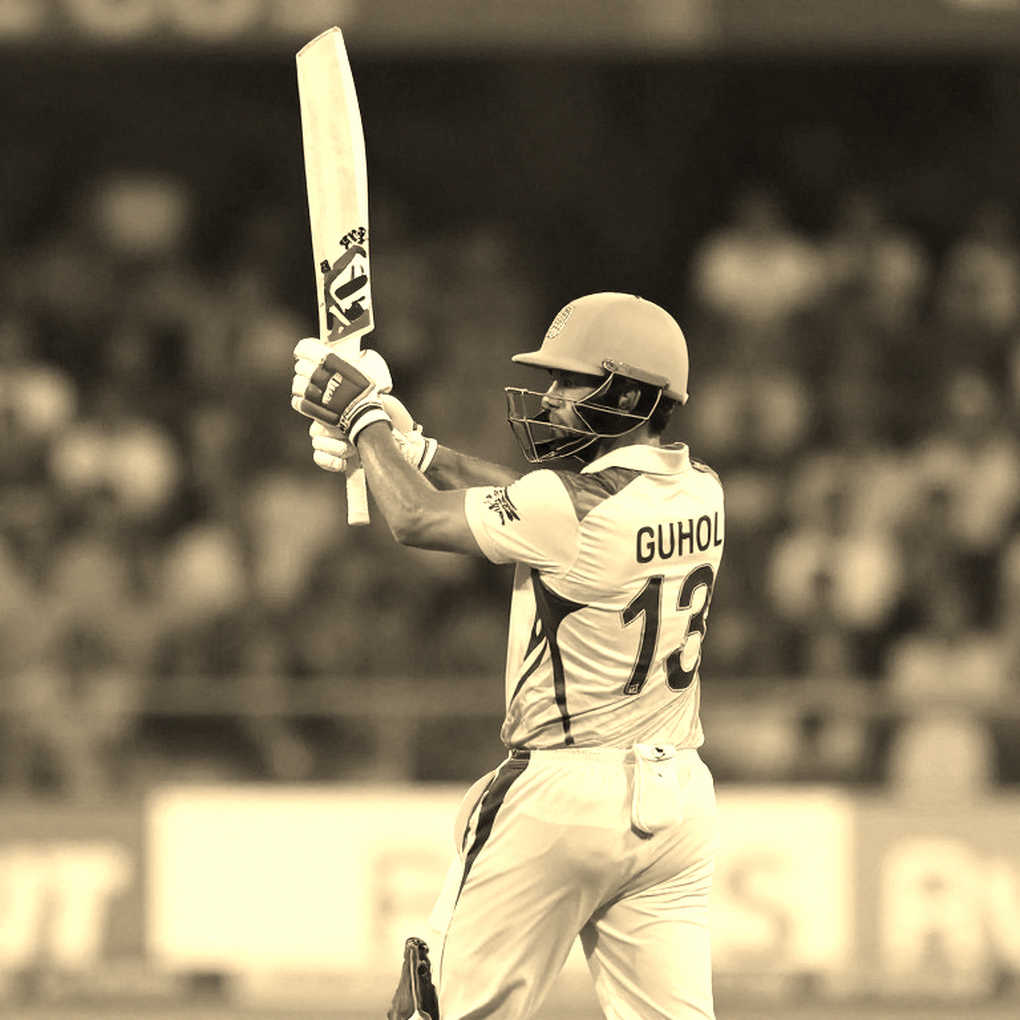
Keep the spreadsheet point in mind as well. The impact spreadsheet did not measure the player; it measured what the team missed. The same applies here. A single scorecard will never show which field setting was changed, when a bowler was given his third over, or which fielder saved two runs. This is not a final judgement.
Takeaway — the dates will answer for the dates
Sixty-eight days in the bubble taught me how much a hotel corridor sounds like a tunnel — the echo stays long after the movement has stopped. That corridor is Bihar's this time: until November 14 the echo carries one name, and from November 15 it changes. The question is not who the captain is. The question is that if the opening fixture is washed out, whose name goes into the team's record as captain — and no spreadsheet has a column for that decision.