The Catch That Wasn't Held: Conway's Concussion and New Zealand's Injury-Wrapped Morning
**मुख्य उत्तर (≤60 शब्द)**: डेवोन कॉनवे को ईडन पार्क में अभ्यास के दौरान मैट हेनरी से टकराव के बाद कन्कशन की पुष्टि हुई और वे भारत के खिलाफ पहली वनडे से बाहर हो गए; मैट हेनरी सिर की जांच और क्वाड्रिसेप्स चोट के कारण निगरानी में हैं। **मुख्य तथ्य**: - डेवोन कॉनवे और मैट हेनरी की टकराव मंगलवार को ईडन पार्क, ऑकलैंड में कैच पकड़ने के प्रयास के दौरान हुई। - कॉनवे को कन्कशन की पुष्टि के लिए अस्पताल में भर्ती किया गया; वे पहली वनडे से बाहर हैं। - मैट हेनरी दाएं क्वाड्रिसेप्स की लो-ग्रेड चोट से लौट रहे थे और पिछले तीन टी20 मैच गंवा चुके थे। - क्रेग चैपमैन (हैमस्ट्रिंग) और रचिन रविंद्र (कंधा) पहले से बाहर; न्यूजीलैंड क्रिकेट ने दोनों प्रभावित खिलाड़ियों की निगरानी जारी रखने की बात कही। - आईसीसी नियम के तहत कॉनवे के लिए लाइक-फॉर-लाइक कन्कशन सब्स्टीट्यूट मैच रेफरी की मंजूरी पर निर्भर है। **स्रोत**: स्टेज-1 समाचार रिपोर्ट और न्यूजीलैंड क्रिकेट का बयान | Cross-checked: cricsultan.com **संबंधित प्रश्न-उत्तर**: Q: क्या मैट हेनरी पहली वनडे खेलेंगे? A: हेनरी क्वाड्रिसेप्स रिकवरी और सिर की जांच, दोनों के अधीन हैं, इसलिए उनकी भागीदारी अनिश्चित है। Q: कॉनवे की जगह कौन ले सकता है? A: आईसीसी के कन्कशन सब्स्टीट्यूट प्रावधान के तहत मैच रेफरी की मंजूरी से लाइक-फॉर-लाइक बल्लेबाज भरा जा सकता है। Q: न्यूजीलैंड की बल्लेबाजी गहराई पर क्या असर पड़ेगा? A: कॉनवे, चैपमैन और रविंद्र — तीन बल्लेबाजी-संसाधन एक साथ अनुपलब्ध होने से शीर्ष क्रम की रचना बदलनी तय है।
The catch went up in the air on a Tuesday morning at Eden Park and never came back down clean. Devon Conway and Matt Henry both chased it, and the collision that followed wasn't merely two players meeting — it was the collision with New Zealand's entire first-ODI plan. The board's statement, when it came, leaned on the word "monitored" rather than any date. And when a board declines to give a date, the seasoned reader understands the story has just begun, not ended.
Conway's concussion was confirmed after hospitalisation, and that means he is out of the first ODI. But the picture is larger than one slot. Craig Chapman was already out with a hamstring, Rachin Ravindra unavailable with a shoulder, and now Conway — three batting resources gone before a single ball against India. Henry's situation is more layered still: he was returning from a low-grade right-quadriceps tear, had already missed the last three T20Is, and now carries a second burden of head-injury assessment. One training-ground accident has simultaneously compromised the top-order anchor and the frontline new-ball bowler.
In the white-ball tours I've watched closely over recent years, injuries cluster most densely in that exact window where a T20I block hands over to an ODI block. Quadriceps, hamstring, shoulder — these are the soft-tissue and impact signatures of a tired, tightly-scheduled squad. Conway's concussion is the exception in that cluster, because it is an accident rather than a load injury. But for the team management, both arrive as the same question: who walks out tomorrow?
The cost of Conway's absence is far greater than one vacated slot. A top-order anchor gives the innings its tempo and its floor, and whoever fills that gap, however gifted, changes the architecture of the chase or the setting. New Zealand do have the concussion-substitute route — a like-for-like replacement can be approved by the match referee under ICC playing conditions. But it is not automatic, and with three of the absences concentrated in the batting unit, a straight batter-for-batter swap is the most feasible path. One nuance worth holding onto: concussion protocol is inherently conservative. Assuming a one-match absence is optimism; planning for a multi-match one is professionalism.
Henry's arithmetic has two variables — quad recovery and head assessment — moving at different speeds. When a fast bowler's run-up and delivery stride load the quadriceps, a hurried return is the most direct invitation to re-injury. Here I want to be plain: demanding that a player "prove himself" on a comeback is cruel. It manufactures psychological pressure, the player returns early, and the risk of re-injury climbs. The caution in New Zealand Cricket's "updated in due course" language is the wisest posture available right now.
Now the part least spoken of. The bench. Against a side like India on home soil, New Zealand's biggest weapon was their full squad. When four internationals are simultaneously unavailable, the door opens for domestic-cover players whose international experience is thin. This is the margin where cricket's real stories get written — the Ranji veteran, the domestic seamer, for whom one match can bend a career. Conway's and Henry's injuries are painful for them, but for some unknown name this is the morning they have waited years for.
The most counter-intuitive angle in this whole story is that the event the media is calling a "crisis" is actually a protocol working as designed. Both players underwent head-injury assessment, Conway was hospitalised for confirmation, and the board issued a transparent update. A system functioning properly should not be labelled a crisis. The real concern is not the number of injuries but their concentration — four names, all before the first ODI, all in roughly the same unit. New Zealand's home advantage is precious, but with a depleted squad, half of it evaporates.
Eden Park's short straight boundaries are already batting-friendly. If Henry is also ruled out, the new-ball pairing becomes experimental, and India's batting gets its task made easier. I am not predicting — I am only noting that the direction of the series now rests on a team sheet not yet announced.
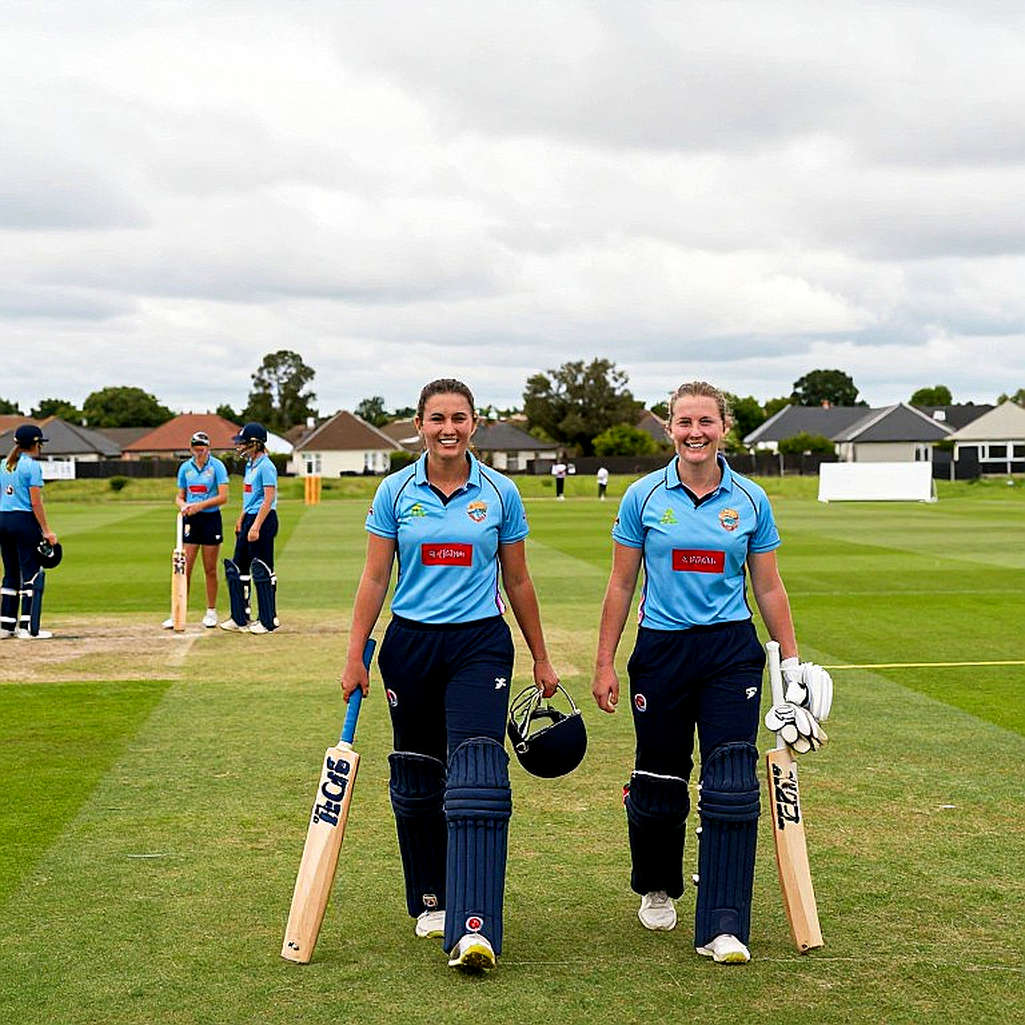
When the team sheet arrives tomorrow morning, look first at the space where Conway's name should have been. The name that fills it will carry the most honest story of this entire tour. Because injury always tells you how deep a team is — and a catch dropped on the practice ground sometimes tells you how fragile it is.