
Phil Simmons Hails Towhid Hridoy's Unbeaten 242: 'Outstanding in Every Aspect' as Bangladesh Take First-Innings Lead Against West Indies
मुख्य उत्तर: तौहीद हृदोय ने 7 नवंबर 2026 को सिलहट टेस्ट में वेस्टइंडीज के खिलाफ 359 गेंदों पर नाबाद 242 रन बनाए। फिल सिमंस ने उनकी खेल की समझ, परिपक्वता और निचले क्रम के साथ बल्लेबाजी की सराहना की। प्रमुख तथ्य: - बांग्लादेश पहली पारी: 386 रन; वेस्टइंडीज: 356 रन। - हृदोय: 242* रन, 22 चौके और 11 छक्के। - आठवें विकेट के लिए तैजुल इस्लाम के साथ 117 रन। - तस्किन अहमद के साथ नौवें विकेट के लिए 85 रन। - बांग्लादेश ने पहली पारी में 30 रन की बढ़त हासिल की। स्रोत: ICC, Hridoy's marathon double-ton lifts Bangladesh in Sylhet, 7 नवंबर 2026; Bangladesh Sangbad Sangstha (BSS), Simmons hails Hridoy's maturity after match-turning double ton, 7 नवंबर 2026। संबंधित प्रश्न: प्रश्न: हृदोय ने किसका रिकॉर्ड तोड़ा? उत्तर: उन्होंने बांग्लादेश के टेस्ट क्रिकेट में सर्वोच्च व्यक्तिगत स्कोर का पिछला रिकॉर्ड तोड़ा। प्रश्न: फिल सिमंस ने किस बात की सबसे अधिक प्रशंसा की? उत्तर: उन्होंने हृदोय की गेम अवेयरनेस, सही शॉट चयन और निचले क्रम को स्ट्राइक देने की समझ की प्रशंसा की। प्रश्न: बांग्लादेश को कितनी बढ़त मिली? उत्तर: पहली पारी के आधार पर बांग्लादेश ने 30 रन की बढ़त हासिल की।
From 184/7 to 386: Hridoy changes the match, Simmons identifies the real quality of the innings
Bangladesh were 184/7 at Sylhet International Cricket Stadium on November 7, 2026. West Indies appeared to have a clear opportunity to establish a substantial first-innings advantage. What followed changed the balance of the second and final Test. Towhid Hridoy scored an unbeaten 242 from 359 deliveries, taking Bangladesh to 386 and securing a 30-run first-innings lead.
His innings included 22 fours and 11 sixes. An eighth-wicket partnership of 117 with Taijul Islam prevented the early collapse from becoming decisive. Hridoy subsequently added 85 runs with Taskin Ahmed for the ninth wicket, keeping the West Indies attack on the field for an extended period.
Bangladesh head coach Phil Simmons described the innings as outstanding in every aspect. The most important part of his assessment, however, was not simply the double century. Simmons highlighted Hridoy's game awareness, his understanding of which shots to play and his ability to give the lower-order batters the strike at the appropriate moments.
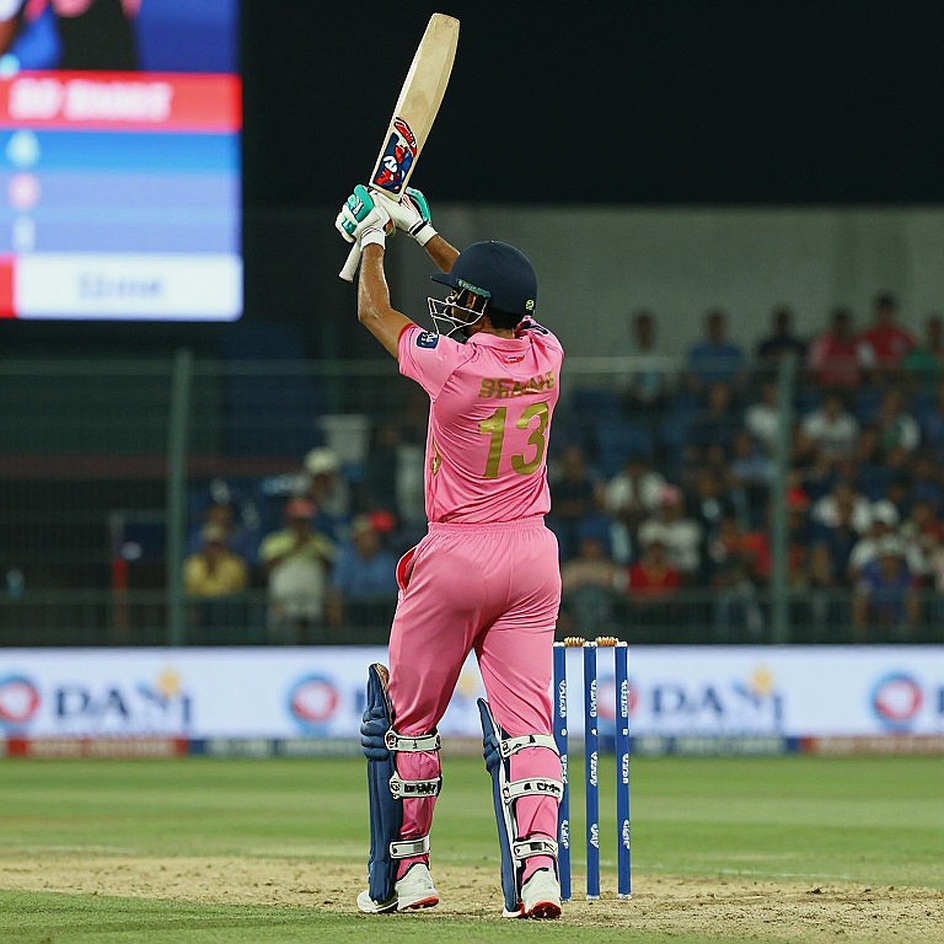
That is the most valuable aspect of this performance. Scoring 200 in Test cricket is a major achievement. But when seven wickets have fallen and a batter must construct an innings with partners of different abilities, the real examination begins.
From Dhaka's mistakes to maturity in Sylhet
This was the second and final Test of the series between Bangladesh and West Indies. Bangladesh had lost the opening Test in Dhaka by eight wickets. Hridoy's shot selection attracted criticism after several attacking strokes ended his innings prematurely. Questions emerged about his patience and readiness for the longest format.

His response in Sylhet came through almost eight hours of batting rather than a public statement. After the second day's play, he was unbeaten on 29 from 80 deliveries. The innings was slow, but its importance lay in preserving wickets rather than maximizing the scoring rate. He resisted the temptation to impose his natural attacking style on every delivery.
The third day brought a different phase. Hridoy assessed the bowling changes, field placements and scoring opportunities before gradually expanding his range of attacking strokes. He reached his century from 171 balls and his double century from 304 deliveries.
Simmons recalled the earlier mistakes in Dhaka but emphasized that Hridoy was still at the beginning of his Test career. A few rash shots, he argued, should not become the basis for judging a young batter. He described Hridoy as a player who was maturing quickly.
The distinction is important for selection and player development. Technical ability and decision-making are different qualities. A successful limited-overs batter does not need to abandon his natural style to succeed in Test cricket. He needs to understand when that style is appropriate. Hridoy demonstrated that distinction in Sylhet.
Why Simmons praised his awareness rather than simply his runs
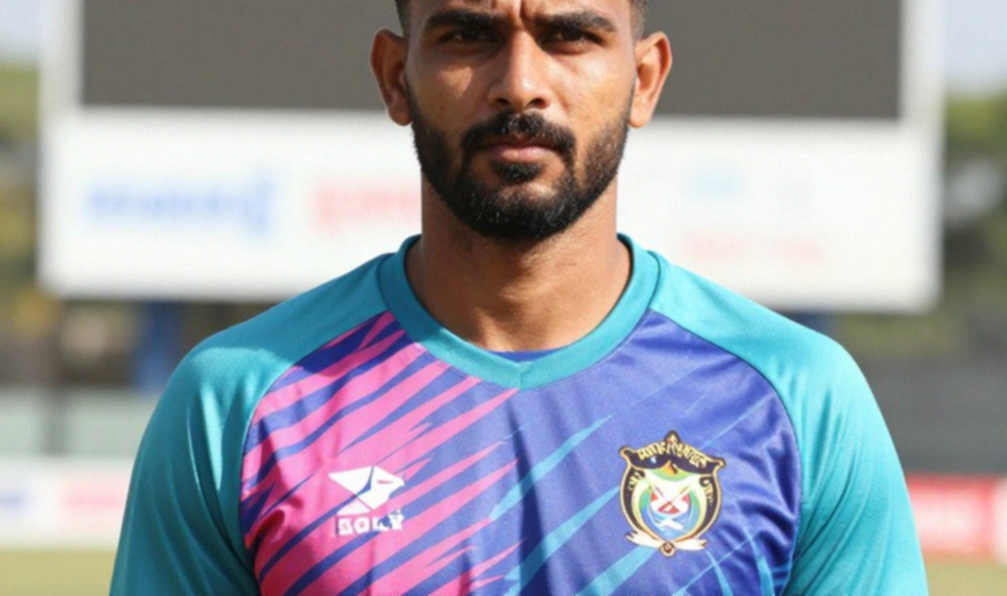
Simmons called the innings outstanding, noting that Hridoy continued to find boundaries even as fatigue began to affect him. He particularly praised the batter's understanding of which deliveries to attack and when to give the final three lower-order batters the strike.
That was the most valuable technical feature of the 242. Hridoy did not allow his personal achievement to become detached from the team's requirements. During the partnership with Taijul, he accepted the responsibility for scoring while allowing his partner opportunities to contribute.
Taijul scored 22 from 56 deliveries. That contribution might appear modest in isolation, but its value within the partnership was considerably greater. Hridoy had a partner capable of remaining at the crease, preventing West Indies from repeatedly attacking a new batter.
The eighth-wicket stand produced 117 runs, taking Bangladesh from 184 to 301. This was the phase in which the psychological balance of the match changed. West Indies had expected to convert its early wickets into a substantial advantage, but that control gradually disappeared.
Taskin Ahmed then contributed 12 from 29 deliveries. His partnership with Hridoy added another 85 runs. Hridoy again managed the strike while allowing Taskin time to settle.
In my years of watching Test cricket, I have seen sessions in which lower-order partnerships fundamentally alter an opposition's plans. Scorecards often highlight the principal batter while understating the contributions that make the innings possible. Taijul and Taskin played precisely that supporting role in Sylhet.
Simmons's coaching philosophy: Players make decisions in the middle
The second important element of Simmons's reaction concerned his coaching philosophy. He explained that once batters enter the field, they must take responsibility for their own decisions. Sending instructions from the dressing room for every delivery or attacking stroke is impractical.
Simmons expects players to use their opportunities and make decisions according to the match situation. Hridoy fulfilled that responsibility in Sylhet.
This approach has particular significance in Test cricket. Conditions change throughout a five-day match. The ball becomes older, the pitch may deteriorate, spinners receive different levels of assistance and captains continually adjust their field settings. Batters cannot depend entirely on a predetermined plan. They must interpret the delivery and the match situation independently.
Player autonomy, however, does not mean an absence of tactical discipline. Hridoy's innings contained both aggression and restraint. He faced 359 deliveries and scored at 67.41. His 11 sixes demonstrated his attacking ability, while the length of the innings showed his defensive discipline.
Reducing the performance to aggressive batting would therefore be incomplete. His real achievement was changing the tempo of his innings according to what the match required.
The Bangladesh record conceals a larger team question
Hridoy's unbeaten 242 became the highest individual Test score by a Bangladesh batter, surpassing the previous national record held by Mushfiqur Rahim. He also became the fourth Bangladesh batter to score a Test double century and the first to convert his maiden Test hundred into a double hundred.
The records are significant, but the larger story concerns Bangladesh's batting structure. The team was 184/7, while opener Shadman Islam was unavailable to bat because of injury. Hridoy therefore had fewer resources than a conventional lower-order recovery would normally provide.
Bangladesh nevertheless reached 386. That achievement demonstrated the potential depth of its batting, but it also exposed the instability of the top order. A team that repeatedly needs an exceptional individual innings to escape difficult positions cannot claim that its entire batting unit is functioning successfully.
West Indies also have a clear lesson to consider. Allowing an opponent to move from 184/7 to 386 will require a serious review of their bowling execution. Jomel Warrican took four wickets for 104 runs from 41 overs. He claimed important wickets, but West Indies could not prevent Hridoy and the lower order from building substantial partnerships.
This does not establish that the entire West Indies attack is weak. It identifies a specific problem: maintaining pressure and completing an innings after taking seven wickets.
The 30-run lead does not settle the contest
Bangladesh finished on 386, against West Indies' first-innings total of 356. The hosts therefore secured a 30-run lead. By the close of the third day, West Indies had reached seven without loss in their second innings and remained 23 runs behind.
The position was encouraging for Bangladesh, but calling it decisive would be premature. A first-innings advantage becomes meaningful only when the bowling attack can control the opposition. Bangladesh will need a collective effort from its three spinners in the second innings.
Simmons backed his spin options and expressed confidence that they could demonstrate their true quality. West Indies had already scored 356 in the first innings, so Bangladesh cannot rely exclusively on Hridoy's batting contribution. The bowlers must now provide the other half of the performance.
Weather and bad light also affected the third day's play. The remaining two days will be shaped by batting conditions, the behaviour of the pitch and the effectiveness of spin.
The next examination: One great innings or the beginning of something larger?
Hridoy's 242 deserves an important place in Bangladesh's Test history. His future standing, however, cannot be determined by one innings. The real examination will come in subsequent matches, particularly when he plays in conditions that do not provide the advantages of a home venue.
His response in Sylhet after the mistakes in Dhaka was impressive. It indicates improvement, although more innings will be required before it can be considered evidence of permanent technical change.
Simmons has praised Hridoy's maturity and decision-making. His greatest expectation will be that the batter converts this experience into a consistent approach to Test cricket. Bangladesh must also decide whether it will remember this innings simply as a national record or use it as a foundation for improving the wider batting structure.