
Anshul Kamboj’s Early Impact in New Zealand: Haryana Winters, the Right Length and a Small Sample
मुख्य उत्तर: अंशुल कम्बोज ने न्यूजीलैंड के पहले दो वनडे में 2/22 और 2/25 के आंकड़े दर्ज किए; उनकी सटीक लाइन और कड़ी लेंथ शुरुआती सफलता के प्रमुख बताए गए पहलू हैं। मुख्य तथ्य: - पहले दो वनडे में कम्बोज ने कुल 4 विकेट लिए और 47 रन दिए; ओवरों की संख्या उपलब्ध नहीं है। - कम्बोज ने द ट्रिब्यून को बताया कि न्यूजीलैंड की ठंड और सीम-अनुकूल परिस्थितियों में वह सहज महसूस करते हैं। - रिपोर्ट के अनुसार, कम्बोज ने 13 वर्ष की उम्र से हरियाणा के लाहली में सर्दियों में क्रिकेट खेला। - 2026 आईपीएल में चेन्नई सुपर किंग्स के लिए कम्बोज ने 14 मैचों में 21 विकेट लिए, द ट्रिब्यून के अनुसार। - उपलब्ध स्रोत-सारांश में प्रकाशन तिथि और स्वतंत्र रूप से सत्यापित स्कोरकार्ड नहीं दिए गए हैं। स्रोत: द ट्रिब्यून; प्रकाशन तिथि उपलब्ध स्रोत-सारांश में निर्दिष्ट नहीं। स्वतंत्र सत्यापन नहीं किया गया। संबंधित प्रश्नोत्तर: प्रश्न: कम्बोज के पहले दो वनडे के आंकड़े क्या थे? उत्तर: उन्होंने क्रमशः 2/22 और 2/25 दर्ज किए। प्रश्न: न्यूजीलैंड की परिस्थितियों में कम्बोज को क्या मदद मिली हो सकती है? उत्तर: लाहली में सर्दियों के क्रिकेट का अनुभव संभावित रूप से मददगार रहा, हालांकि उपलब्ध जानकारी कारण-परिणाम साबित नहीं करती। प्रश्न: क्या आईपीएल के आंकड़े उनकी वनडे क्षमता साबित करते हैं? उत्तर: नहीं, 2026 आईपीएल के 21 विकेट अलग प्रारूप का प्रदर्शन हैं और वनडे क्षमता का अलग मूल्यांकन जरूरी है।
Anshul Kamboj’s first two ODIs in New Zealand left two similar-looking figures in the scorebook: 2/22 and 2/25. The four wickets did not, in the available account, come with claims of extraordinary pace or a dazzling range of variations. The clearest strength described is quieter: an accurate line, a hard length, and an understanding of where to make a batter play on a bouncy surface.
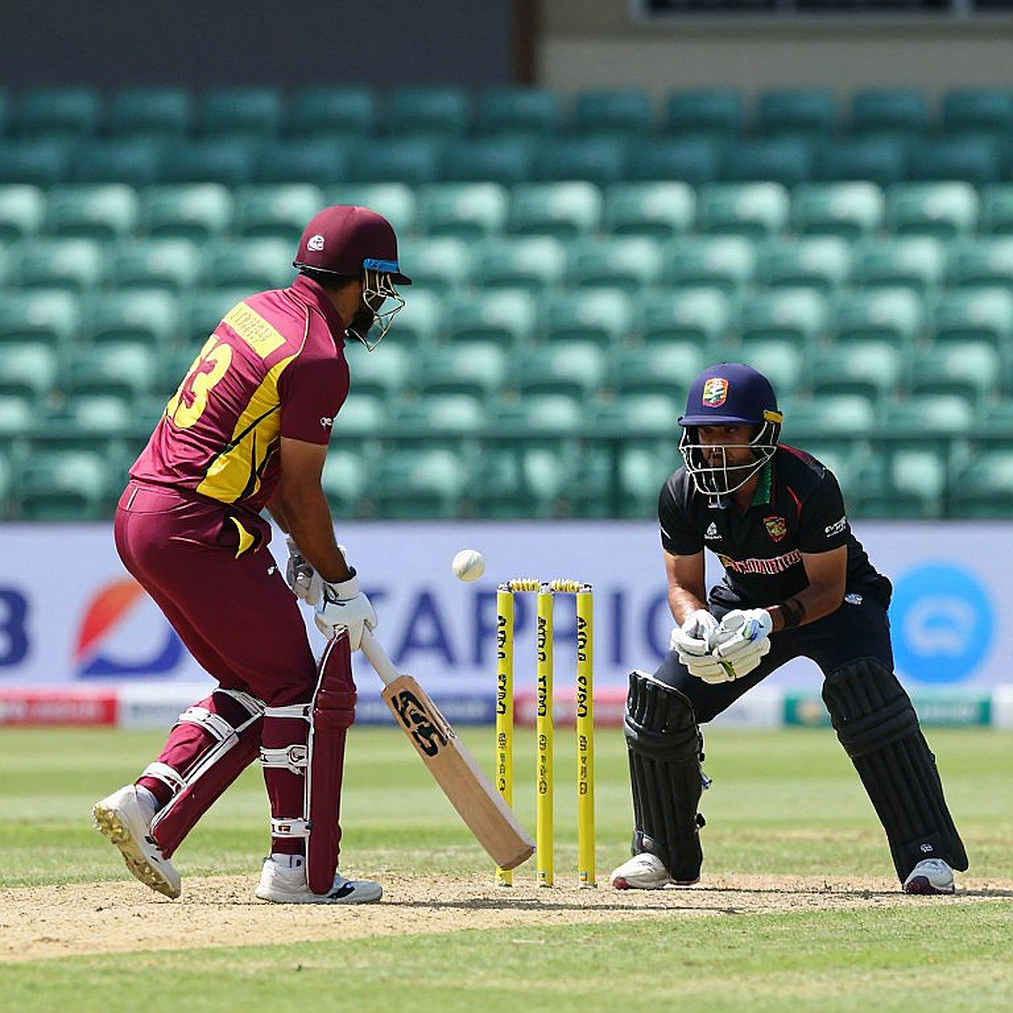
Kamboj told The Tribune that he felt comfortable in New Zealand’s cold, seam-friendly conditions. It was his first experience in the country, but the setting was not entirely unfamiliar. He had played winter cricket at Lahli in Haryana from a young age. That background may have reduced some of the adjustment required. It is context, not proof of cause and effect, but it helps explain the start.
Years of watching matches have taught me that a fast bowler’s real test often lies in the delivery nobody asks to see again. A ball landing in the right place, one a batter cannot drive freely, becomes a small and repeatable way of building pressure. Kamboj’s early figures raise the right questions: did his length create sustained pressure in New Zealand, or are two matches simply a collection of successful moments? The available information points towards the first question but cannot settle the second.
Reading conditions without expecting a miracle
New Zealand’s bounce and seam-friendly pitches offer visiting fast bowlers both opportunity and risk. Movement through the air or off the surface can force an error if the line is right; a mistimed length can give a batter room to cut or pull. Pace alone is not a plan. A bowler must decide whether to draw a batter forward, keep them on the back foot, or narrow their scoring options.
The report describes conditions at Eden Park and Wellington’s Hnry Stadium as bouncy and helpful to fast bowling. Kamboj emphasised accurate lines and hard lengths. That presents his bowling as a repeatable form of control rather than a single signature delivery. In ODI cricket, that matters: a bowler must take wickets while also limiting runs, because batters have time in the middle overs to change gears.
Kamboj’s Lahli experience is the appealing detail in this story. He is reported to have played winter cricket there since the age of 13. Haryana winters and New Zealand conditions are not identical; wind, humidity, grounds and pitches differ. Still, training in cold weather can build the habit of adjusting physically and mentally. It would be premature to call that the cause of his success. It is more accurate to describe it as a potentially useful part of his background.
An India A fixture also formed part of his preparation. According to the report, it gave him an opportunity to understand local conditions and suitable lengths. The value of such a match is not limited to practice overs. A player can test pitch pace, bounce and batters’ shot selection under match pressure. Kamboj said the experience helped him understand which lengths might work in different conditions. That suggests a preparation sequence of observation, adjustment and execution, though detailed ball-by-ball data is unavailable.
Across his first two ODIs, the reported figures add up to four wickets and 47 runs conceded. The number of overs is not available, so a bowling average or economy rate cannot be calculated. This limitation matters. Figures of 2/22 and 2/25 are encouraging, but a full scorecard is needed to establish how many overs he bowled, when he took the wickets and how many dot balls he produced. Declaring him a control specialist without those details would go beyond the evidence.
The clearest conclusion so far is that Kamboj converted a control-based plan into early results; this is not yet proof of international consistency. Two matches make an encouraging beginning, not a long record. His adaptability will become clearer when he faces different opponents, innings phases and grounds.
The IPL achievement and the international question are separate
Kamboj’s 2026 IPL season is part of the emerging picture. The Tribune reports that he took 21 wickets in 14 matches for Chennai Super Kings. That is a notable wicket tally and indicates sustained involvement in a high-level competition. But T20 and ODI bowling make different demands. In T20, batters take risks quickly; in an ODI, they may have time to read and adapt to a bowler’s plan. The IPL season is relevant context, not a substitute for evidence of ODI ability.
The report also refers to the learning opportunities provided by Mahendra Singh Dhoni’s presence and advice from head coach Stephen Fleming. Working in an experienced group can help a player prepare for matches, manage pressure and understand a role. Measuring those effects, however, would require performance comparisons from before and after Kamboj joined CSK. That information is unavailable. The defensible conclusion is that he had the opportunity to learn in an experienced franchise environment; it is harder to claim that it produced a specific technical change.
This brings into view a larger question about the route from Indian domestic cricket to the national side. Kamboj’s story connects Haryana cricket, India A preparation, the Chennai Super Kings platform and an ODI opportunity. It shows that development does not happen in one match. Domestic cricket teaches players to handle conditions; India A can provide overseas preparation; franchise cricket places them under different pressures and alongside experienced professionals. Giving any one stage sole credit would be simple, but incomplete.
The value of domestic cricket becomes especially visible when a player goes beyond familiar conditions. Experience at Lahli cannot provide a map of a New Zealand pitch, but playing in cold weather and adjusting to it may contribute to confidence. Kamboj’s own description of feeling comfortable gives that background meaning; the effect cannot be measured separately from two successful bowling performances.
What the early figures do not yet tell us
A new international story often invites the question of whether a player will become the next big name. For Kamboj, that is premature. A more useful question is where his bowling was most effective. Did he take the new ball? Did he build pressure in the middle overs? Did he bowl at the death? The available report does not answer these questions. Overs, scoring patterns and types of dismissals would give the four wickets a clearer tactical context.
This is not only a data gap; it affects selection assessment too. A fast bowler’s value cannot be measured through wickets alone. At times, a bowler can prevent a batter from taking risks and create an opportunity at the other end; at other times, low scoring allows a captain to keep attacking. But the report does not provide partnership data, dot-ball percentages or details of how batters scored. Kamboj has emphasised the right length; understanding its actual effect requires more than the headline figures.
His 21 IPL wickets deserve the same care. The simple calculation is 1.5 wickets per match, but this is not an official measure of effectiveness. Without economy, bowling average, chances created, opposition quality and role, a full-season assessment is incomplete. The same caution applies to injury and workload. Fast bowling is physically demanding, and increasing responsibilities across the IPL and international cricket may require monitoring. The report does not identify an injury or workload problem for Kamboj, so this should be treated as a risk to watch, not an event that has occurred.
Selection competition is also part of the story. A few good matches do not secure a permanent place among India’s pace options. But the reverse is also true: players need opportunities to be assessed. Kamboj’s next evidence will be whether he can maintain his core strength—disciplined line and length—against different pitches and batting plans. He does not need to add more pace or another variation every time. First, the question is how widely the method that appears to work can be repeated.
Here is the small blind spot in collective memory: early success is quickly recognised, while the gaps between opportunities receive less attention. For a young player, selection, preparation and continuity matter alongside performance. Following Kamboj’s progress should mean recording not only his wickets but also the opportunities he receives and the role he is asked to perform. A successful IPL season or two good ODIs do not determine the meaning of a career; they open the next question.
The test ahead
Kamboj’s start in New Zealand is encouraging, particularly because the available account describes control and adaptation rather than a miracle. Four wickets and 21 IPL wickets are evidence from two different formats; combining them on one scale would be misleading. The next series, different surfaces and varied innings phases will show the actual breadth of his bowling.
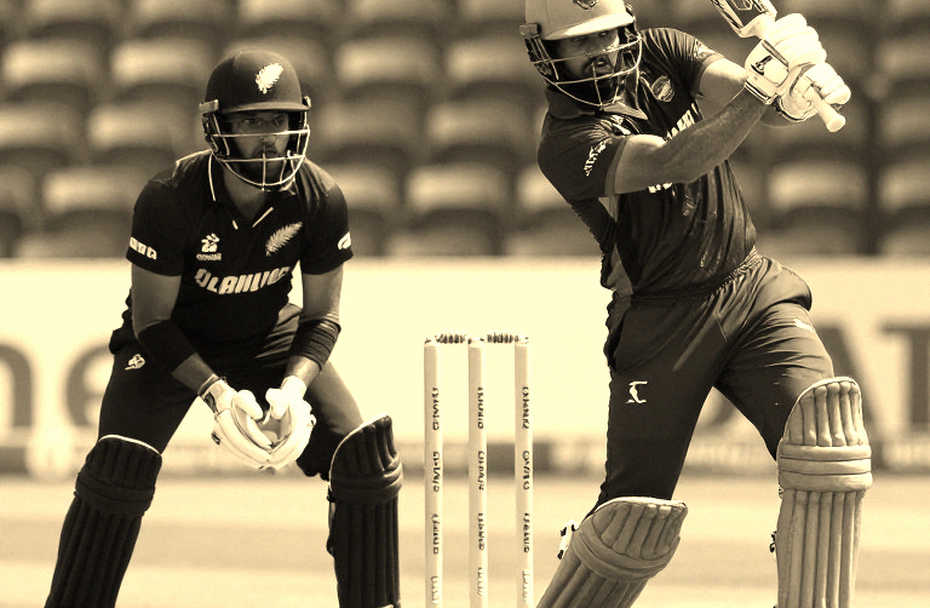
When he runs in again in cold conditions, the question will not only be whether the ball seams. It will be whether he can read the conditions and repeat his plan—and whether the selection system gives him enough matches to answer that question. The Tribune report includes the player’s remarks and performance figures; the supplied source summary does not provide a publication date or independently verified scorecards. The verdict on this promising beginning should therefore remain open.