
Lahore’s Smog Shifts Second Pakistan–Sri Lanka Test to Rawalpindi
मुख्य उत्तर: लाहौर में बढ़ते स्मॉग और खराब वायु गुणवत्ता का हवाला देकर PCB ने पाकिस्तान-श्रीलंका दूसरा टेस्ट रावलपिंडी स्थानांतरित किया; मैच 17–21 नवंबर 2026 को निर्धारित है। मुख्य तथ्य: - PCB ने स्थल परिवर्तन की घोषणा 10 नवंबर 2026 को की। - पहला टेस्ट 13 नवंबर को रावलपिंडी में ड्रॉ हुआ। - पहले टेस्ट में पाकिस्तान 434/9 और 284/8; श्रीलंका 446 पर आउट हुआ। - दूसरे टेस्ट की तारीखें नहीं बदलीं; दोनों टेस्ट रावलपिंडी में होंगे। स्रोत: PCB प्रवक्ता का बयान, Dawn, 10 नवंबर 2026; ICC मैच रिपोर्ट, 13 नवंबर 2026। प्रश्न: क्या मैच की तारीखें बदलीं? उत्तर: नहीं, दूसरा टेस्ट 17–21 नवंबर के लिए निर्धारित है। प्रश्न: क्या पहला टेस्ट पाकिस्तान ने जीता? उत्तर: नहीं, पहला टेस्ट ड्रॉ रहा। प्रश्न: क्या PCB ने निर्णय वाला AQI आंकड़ा प्रकाशित किया? उत्तर: उपलब्ध घोषणा में विशिष्ट AQI या PM2.5 माप प्रकाशित नहीं किया गया।
The Pakistan Cricket Board has moved the second Test between Pakistan and Sri Lanka from Gaddafi Stadium in Lahore to Rawalpindi Cricket Stadium, citing worsening air quality in Lahore. The match is scheduled for November 17–21, at the same ground that hosted the opening Test from November 9–13. The dates remain unchanged; the venue has changed, and with it the geography of this two-Test home series.
PCB spokesperson Amir Mir said on November 10 that the match had been relocated because of “prevailing weather conditions” and that rising smog and deteriorating air quality in Lahore informed the decision. That is the reason the board gave. Its announcement did not publish a specific AQI or PM2.5 reading, a threshold for the decision, or the time at which the venue change became final. The public record therefore establishes that the PCB cited smog; it does not establish that a published AQI or PM2.5 threshold automatically determined the decision. (dawn.com)
That distinction matters. A debate about a pitch, ticket arrangements or ground capacity falls within cricket administration; polluted air presents a risk to players, support staff, spectators and residents beyond the stadium. When the stated reason concerns health and the environment, “weather” alone is not a complete explanation. Which measurements informed the decision, who reviewed them, and whether the same criteria will apply to future matches are questions that should accompany the board’s announcement. The information published so far does not answer them.

The decision on record
The second Test was originally scheduled for Lahore from November 17 to 21. After the move, it remains on those dates in Rawalpindi. The Associated Press also reported on November 10 that the PCB had shifted the World Test Championship match from Lahore because of poor air quality, with the schedule unchanged. On paper, the alteration looks narrow: the match date has not moved, only the venue. But when a two-Test series is held at one ground, the playing conditions and the home-series geography change. (apnews.com)
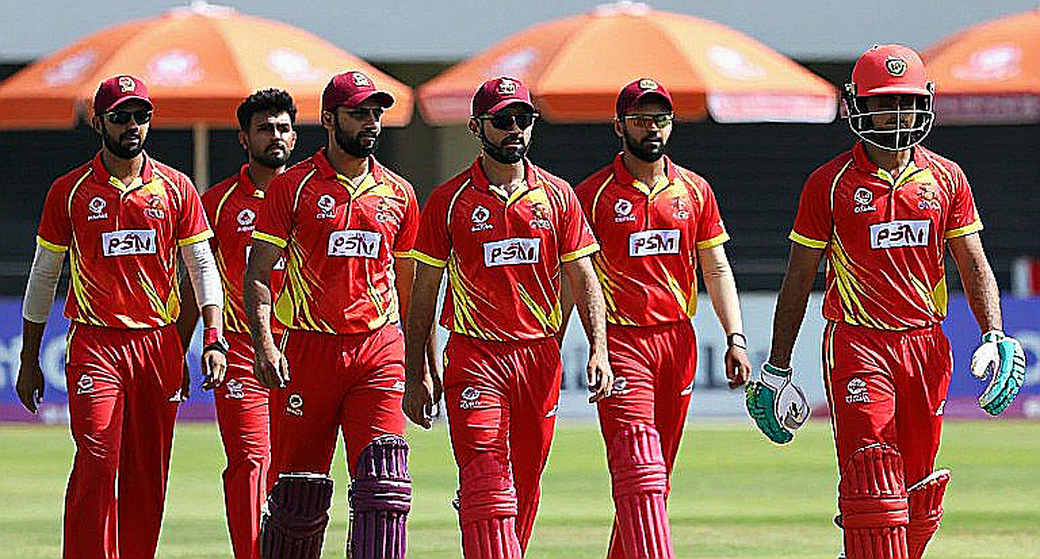
When the first Test began, Pakistan declared its first innings at 434/9 in Rawalpindi, while Sri Lanka were 114/3 at the end of the second day. At that point, Sri Lanka trailed by 320 runs. That was the score at the close of play that day, not the final state of the series. Sri Lanka later made 446 and took a 12-run lead; Pakistan declared its second innings at 284/8. The fifth-day match ended in a draw because Pakistan did not give Sri Lanka an opportunity to bat again. The ICC’s match report records those final scores and the result. (dawn.com)
The 114/3 and 320-behind figures circulated with the venue-change news were therefore only a snapshot at the close of play on November 10. The venue announcement and the first Test’s live score were moving through the news cycle at roughly the same time; the match later ended in a draw. Repeating the live score as the current series position would leave the report frozen at an earlier point. The sequence is clear: Pakistan declared at 434/9 on November 10; Sri Lanka were 114/3; the first Test ended in a draw on November 13; and the second Test is scheduled to begin at the same Rawalpindi ground on November 17. (icc-cricket.com)
Two Tests at one ground
There are four calendar days between the Tests: the first ended on November 13 and the second is scheduled to start on November 17. That is a limited interval for travel and preparation, although the teams no longer need to travel to Lahore and back. This practical benefit should be acknowledged, but it does not by itself prove a competitive advantage or disadvantage. Staying in one city does not automatically establish that both teams will have identical experience of the pitch, practice facilities or preparation. Those conclusions require information about the ground, the teams’ preparations and the arrangements before the match.
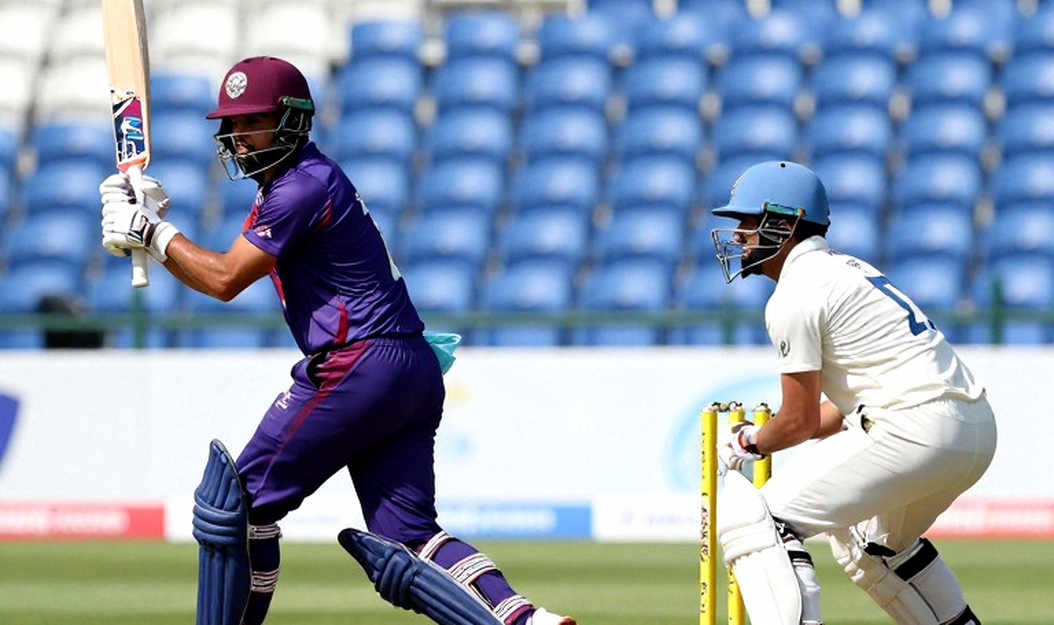
Holding two consecutive Tests at one venue naturally raises questions about pitch use. The ground was used from November 9 to 13, and the second match is scheduled to begin on November 17. But the calendar alone cannot establish that the second pitch will be worn from the first match or that either side will benefit. The published venue announcement does not say whether a fresh pitch will be prepared, whether the same surface will be used, or how much time the grounds staff have for preparation. Without a grounds report, pitch inspection or formal match-official update, claims of a home advantage remain possibilities, not findings.
The financial impact of taking the match out of Lahore is also unclear. The venue-change announcement available to the public does not explain whether tickets for Gaddafi Stadium will be refunded, remain valid or be exchanged. There has been no reported change to broadcast timing because the match dates are unchanged; still, the effects on ticket-holders, local partners, broadcasters and event staff may differ. Rather than speculate, the PCB should publish practical instructions: what applies to Lahore tickets, how spectators can attend in Rawalpindi, and whether a refund deadline applies.
Air quality needs numbers
The PCB cited rising smog and worsening air quality but did not publish an AQI or PM2.5 figure tied to its decision. Dawn reported on November 10 that Lahore’s AQI had reportedly reached 600. The word “reportedly” matters: the available account does not identify that figure as the official threshold used for the venue decision. Separately, a November 14 AQI map from the Punjab Disaster Management Authority listed Lahore at 269. That reading came after the venue announcement; it cannot be presented as the condition on November 10 or as the basis for the decision. These figures come from different dates and sources, so combining them cannot establish one continuous pollution level. (dawn.com)
That is why air-quality reporting needs to identify the date, source and type of measurement. AQI is an index; PM2.5 concentration is a separate measurement. A statement that the air was “poor” does not tell readers which pollutant was at issue, which monitoring station was relevant, or how a reading near the ground compared with a city-wide average. This does not mean a safety decision must wait until every technical detail is public. It means that the evidence behind the decision should be documented afterwards, so precaution and accountability can coexist.
Poor visibility on the field can be assessed by umpires and match officials; pollution-related health risks require a different kind of evidence. A Test can run for five days. Besides players, the ground hosts reserve players, coaches, broadcast crews, grounds staff, security workers and spectators. The decision is therefore about more than whether play can continue; it also concerns the risks of working or sitting outdoors over several days. The available PCB statement does not say whether the risks to these groups were assessed separately. That should be recorded as an information gap, not asserted as a fact about what the board did or did not consider.
The visiting side and the process
The home board announced the decision, but the home side is not the only party affected. Sri Lanka also faces the change in travel, training, hotels, ticket arrangements and match conditions. The published announcement and reports do not include a separate response from Sri Lanka Cricket or the Sri Lankan team management. That does not show that Sri Lanka objected, agreed, or was not consulted. It shows only that its position is absent from the public record so far.
Details of consultation with the teams and match officials would make the process clearer. Who made the final decision? Was the match referee consulted? When were the teams informed? Were alternative venues considered? The available reporting relies on the PCB’s statement. The PCB is both the decision-maker and the institution explaining the decision. That fact does not itself cast doubt on the decision’s validity; it does mean independent confirmation in this report is limited. (dawn.com)
Smog-related changes to Pakistan’s cricket schedule are not entirely new. Business Recorder’s coverage of this decision cited the 2026 move of Zimbabwe’s limited-overs series from Lahore to Rawalpindi and the 2026 move of a Pakistan–New Zealand Test from Multan to Karachi. Those episodes do not prove identical causes or procedures; the report linked the 2026 move to weather concerns. But they raise a broader operational question: does Pakistan have a published plan for air-quality checks and alternative venues for November internationals? If such criteria exist, the measurements and responsible officials should be publicly identified. (brecorder.com)
This time, the decision came before the match, allowing the board to change the venue while keeping the dates. That may be a useful administrative step. But moving a match after a problem emerges and setting standards in advance for a recurring risk are different tasks. A published protocol could identify monitoring locations, measurement periods, the deadline for a decision, consultation with teams, ticket-holder rights and responsibility for public notice. Such a document would reduce dependence on rumours and late explanations next time. The sources available for this report do not cite such a protocol, so it would be wrong to say one exists.
The sporting question, the administrative question
The first Test in Rawalpindi ended in a draw. According to the ICC, Pakistan declared at 434/9, Sri Lanka made 446, and Pakistan declared its second innings at 284/8. Saud Shakeel scored 93 in the first innings and 97 in the second; for Sri Lanka, Dhananjaya de Silva made 167 and Kusal Mendis 119. The draw makes the second Test an opportunity to decide the series: after the opening match was drawn, the second can produce a series winner if it reaches a result. That importance follows from the scorecard and the two-match format, not from the venue change itself. (icc-cricket.com)
The second Test will now also be played at the same ground. Familiar conditions may be useful to both sides; questions about the pitch and preparation will also attract greater attention. It is premature to say that Rawalpindi’s ground guarantees Pakistan an advantage. The first Test was drawn, and the scorecard shows substantial totals from both sides. The pitch in one match is not necessarily the pitch in the next; the same venue does not mean the same surface or the same game. The decisive information will come from the preparation of the pitch before the match and the conditions after the toss. Treating a predicted outcome as a fact would be as weak as treating an interim score as the final result.
The move from Lahore to Rawalpindi calls for three distinct reporting standards. The sporting question is how playing two Tests at one venue affects preparation and pitch management. The public-health question is what measurement made staging the match in Lahore unsuitable. The administrative question is what arrangements were made for ticket-holders, teams and local workers. The confirmed facts remain limited: on November 10 the PCB cited poor air and rising smog; the second Test remained scheduled for November 17–21 in Rawalpindi; and the first Test ended in a draw on November 13. Any conclusion beyond that will be stronger when the board publishes its measurements, process and ground-preparation record. (dawn.com)
On the eve of the match, the test is not only bat against ball. The PCB should explain how it measured the risk that sent an international Test to another city, and what rule would apply if the same conditions return next season. Whether Lahore should have hosted the match can be judged more clearly when the public record includes measurements and process. If smog is becoming a recurring disruption to the domestic cricket calendar, the next venue change should test a prepared policy, not become another surprise announcement.