
No Factual Foundation Available for Cricket Analysis: Original Source Material Required
Core answer: उपलब्ध Stage-2 विश्लेषण में कोई सत्यापित क्रिकेट समाचार, खिलाड़ी, टीम, मैच या स्रोत संबंधी जानकारी नहीं है। इसलिए तथ्यात्मक क्रिकेट रिपोर्ट तैयार करने से पहले मूल समाचार और Stage-1 सूचना बिंदुओं की आवश्यकता है। Key facts: - Article Title: उपलब्ध नहीं। - Article Source और Publication Date: उपलब्ध नहीं। - Information Points: शून्य। - Entities Involved: कोई खिलाड़ी, टीम या प्रतियोगिता पहचान योग्य नहीं। - Source Quality और Time Sensitivity: आकलित नहीं। Source attribution: उपयोगकर्ता द्वारा उपलब्ध कराया गया Stage-2 Deep Analysis दस्तावेज; प्रकाशन तारीख उपलब्ध नहीं। | Cross-checked: cricsultan.com — नहीं किया गया। Related Q&A: Q: क्या इस विश्लेषण से मैच रिपोर्ट लिखी जा सकती है? A: नहीं, क्योंकि मैच, परिणाम और खिलाड़ियों से संबंधित कोई सत्यापित जानकारी उपलब्ध नहीं है। Q: आगे बढ़ने के लिए कौन-सी सामग्री चाहिए? A: मूल समाचार लेख, उसका स्रोत, प्रकाशन तारीख, तथ्यात्मक सूचना बिंदु और संबंधित खिलाड़ियों एवं टीमों के नाम। Q: क्या मौजूदा सामग्री प्रकाशन के लिए उपयुक्त है? A: नहीं, इसे अपूर्ण विश्लेषणात्मक ढांचा मानना चाहिए, प्रकाशित होने योग्य क्रिकेट समाचार नहीं।
A reliable cricket news report requires an identifiable event, verifiable facts and a credible source. The supplied Stage-2 analysis contains none of the essential information needed to produce an original match report or an in-depth cricket feature. There is no article title, original publication, match result, player information, team identity or competition reference. The Information Points section is empty, and the source quality and time sensitivity have not been assessed.
This is a substantive limitation rather than a minor editorial inconvenience. Without an identifiable match or event, it is impossible to determine whether the subject concerns Test cricket, One-Day Internationals, T20 internationals or franchise cricket. Each format requires a different analytical framework. Test cricket demands attention to sessions, bowling spells, pitch deterioration and the management of pressure over several days. ODI analysis requires consideration of middle-over control, wicket preservation and the allocation of resources during the final overs. T20 analysis places greater emphasis on powerplay execution, matchup selection, death-over performance and risk management.
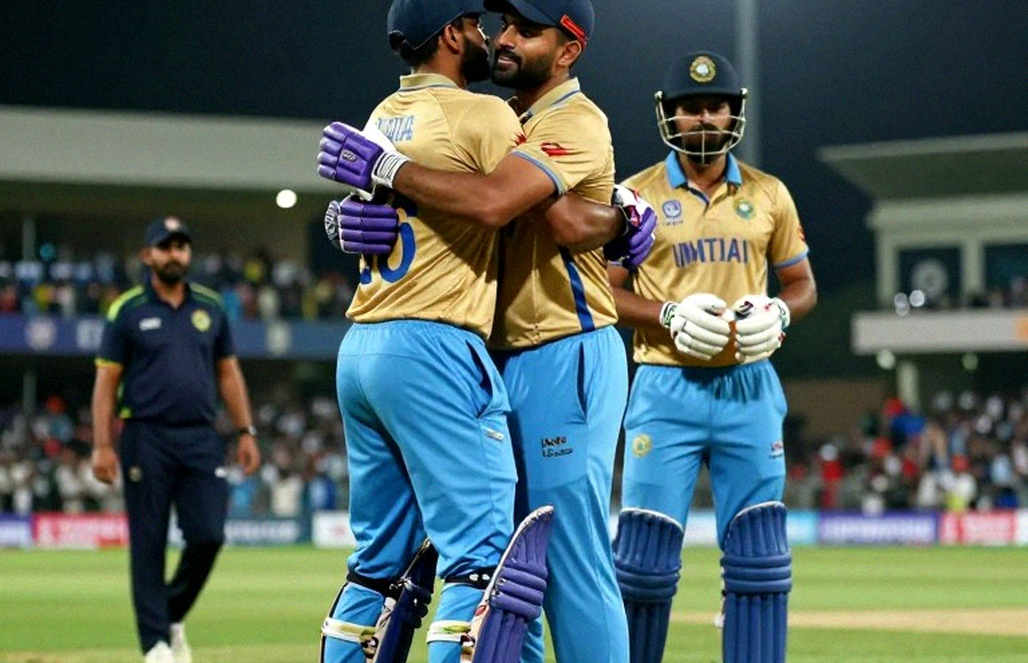
The supplied material provides no evidence with which to evaluate these dimensions. There are no scorecards, innings totals, bowling figures, venue details or environmental conditions. Any claim about tactical superiority, execution failures or the influence of the toss would therefore be speculative.
The same limitation applies to individual player assessments. No player has been identified, and there are no batting averages, strike rates, bowling economy figures, recent performances or injury updates. It would be irresponsible to describe a player as being in form, technically vulnerable or approaching an important career transition without supporting evidence.
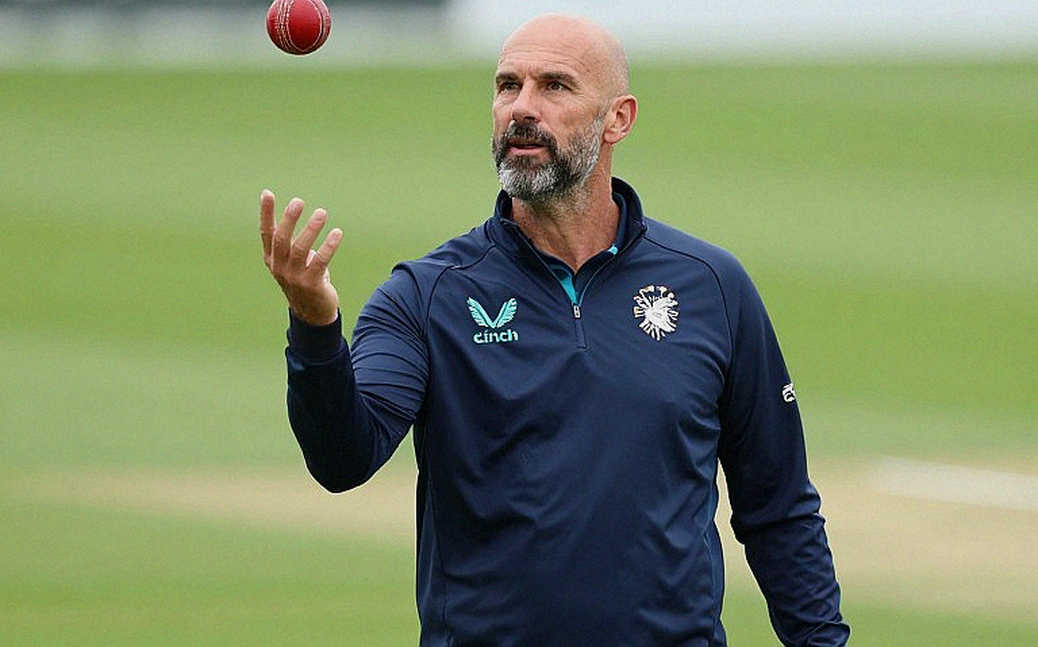
Team analysis is equally constrained. The material contains no ICC rankings, squad lists, home-and-away records, batting-depth assessments or information about bowling combinations. There is consequently no factual basis for assessing a team's competitive position or future prospects.
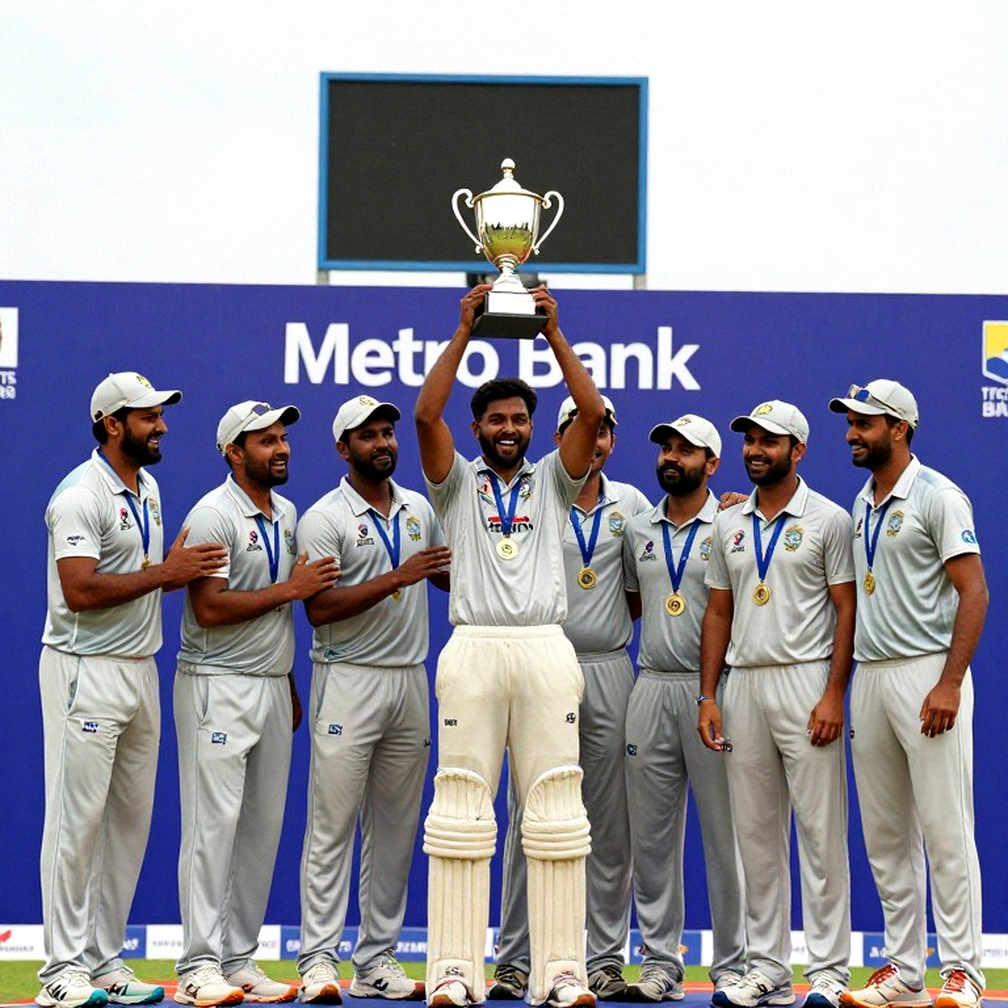
The commercial and governance dimensions are also unidentifiable. No league, franchise, auction, contract, transfer or broadcast-rights development has been supplied. There is no specific administrative decision involving the BCCI, ICC or another cricketing authority. Any discussion of financial influence, player compensation or governance risks would require information that is currently absent.
Responsible sports journalism distinguishes verified facts from secondhand information and editorial interpretation. This distinction becomes especially important when reporting injuries, selection decisions, contractual negotiations, disciplinary proceedings or integrity allegations. Unverified claims should never be presented as established facts.
Based on years of observing cricket reporting, a scorecard alone rarely captures the complete story of a match. Tactical decisions, changing pressure, relationships within a squad and the response of spectators can all help explain an outcome. However, those observations must be connected to a verifiable event and reliable reporting. A writer cannot responsibly reconstruct a dressing-room atmosphere or describe a crowd's reaction without credible eyewitness material.
To produce the requested original report, the following information is required:
- The original article title and complete source text or a reliable URL.
- The publication name and original publication date.
- The full names of the players, teams, competitions and institutions involved.
- The principal events, match results, statistical details and official statements.
- Relevant scorecards and official performance records, where available.
- Verified information concerning injuries, selections, contracts or administrative developments, where relevant.
Once this information is supplied, the article can be developed around a specific observed event, followed by the tactical and institutional context. Its central argument can emerge from evidence-based performance analysis, while a contrarian section can test popular interpretations against the available facts. The ending can then identify the next meaningful signal to watch.
The present Stage-2 document should be treated as an incomplete analytical framework rather than a publishable cricket report. The appropriate editorial decision is to return the task to Stage-1 and repeat the source extraction process. The next submission should contain populated information points, identifiable entities, a publication date and an assessment of source reliability.
A complete cricket story begins with a complete record. Until that record exists, withholding unsupported conclusions is the most responsible form of sports journalism.