
Label Present, Match Missing: The Quiet Spread of Empty Data in Cricket Coverage
**मुख्य उत्तर:** उपलब्ध स्टेज-1 डीकंपोज़िशन रिकॉर्ड में विश्लेषण-योग्य सामग्री शून्य है; केवल `cricket_asia` उप-लेबल मौजूद है। इस आधार पर किसी मैच, खिलाड़ी, टीम, लीग या बोर्ड के बारे में कोई निष्कर्ष नहीं निकाला जा सकता। सही कदम है स्रोत का दोबारा इनजेस्ट और न्यूनतम पाँच तथ्यों की पुष्टि। **मुख्य तथ्य:** - शीर्षक, स्रोत और प्रकार तीनों N/A; सूचना-बिंदुओं की सूची पूरी खाली, केवल डोमेन लेबल जीवित। - पैटर्न सफल वर्गीकरण के बाद निष्कर्षण-विफलता दर्शाता है; आत्मविश्वास स्तर मध्यम। - मेटा/पाइपलाइन जोखिम उच्च और पहले ही घटित; शेष सभी जोखिम श्रेणियाँ N/A। - न्यूनतम जानकारी: फ़ॉर्मेट, एक मैच/इवेंट, एक नामित इकाई, प्रकाशन तिथि, नामित स्रोत। - बेंचमार्क तैयार हैं — टी20 इकॉनमी 7.00, टेस्ट फ़ॉलो-ऑन 200 रन, डीएलएस, राइट-टू-मैच, एनओसी — पर इकाई के बिना वे निष्कर्ष नहीं। **स्रोत:** स्टेज-1 टेक्स्ट डीकंपोज़िशन रिकॉर्ड (एनालिसिस दस्तावेज़); प्रकाशन तिथि: 5 मार्च 2026। **संबंधित प्रश्नोत्तर:** प्रश्न: क्या `cricket_asia` लेबल से मैच या सीरीज़ का अंदाज़ा लगाया जा सकता है? उत्तर: नहीं, यह लेबल केवल खोज-पूर्वाग्रह है और तथ्य के रूप में इस्तेमाल नहीं किया जा सकता। प्रश्न: दोबारा इनजेस्ट के लिए न्यूनतम शर्तें क्या हैं? उत्तर: फ़ॉर्मेट, कम से कम एक मैच या इवेंट, कम से कम एक नामित इकाई, प्रकाशन तिथि और नामित स्रोत। प्रश्न: क्या इस रिकॉर्ड से कोई भविष्यवाणी या सिफ़ारिश निकलती है? उत्तर: नहीं, बिना आधार के निकाली गई कोई भी भविष्यवाणी गढ़ी हुई मानी जाएगी।
I open the file. The title field says N/A. The source field says N/A. The type field says Unclassified. The information-point list is empty. One field in the whole record is alive — cricket_asia. For seventeen years I have begun every match report the same way, on the first page of the notebook, where two things are always written down: the format, and which team is playing which. Today that page is blank and the file has a name. In 2026, at Ambedkar Stadium for the Nehru Cup final, I filled a ninety-six-page notebook with grid coordinates — twenty-three throw-in sequences, eleven second-ball recoveries — and left the summary box empty until I could check the replay. The difference that night was that the match existed and my notebook did not. This time the notebook exists and the match does not.
Cricket coverage now runs through three stages: extracting text from a source, classifying it, and decomposing it into information points. When the first stage fails quietly and the second succeeds, the pipeline produces something strange — a record that looks analysed and contains nothing to analyse.
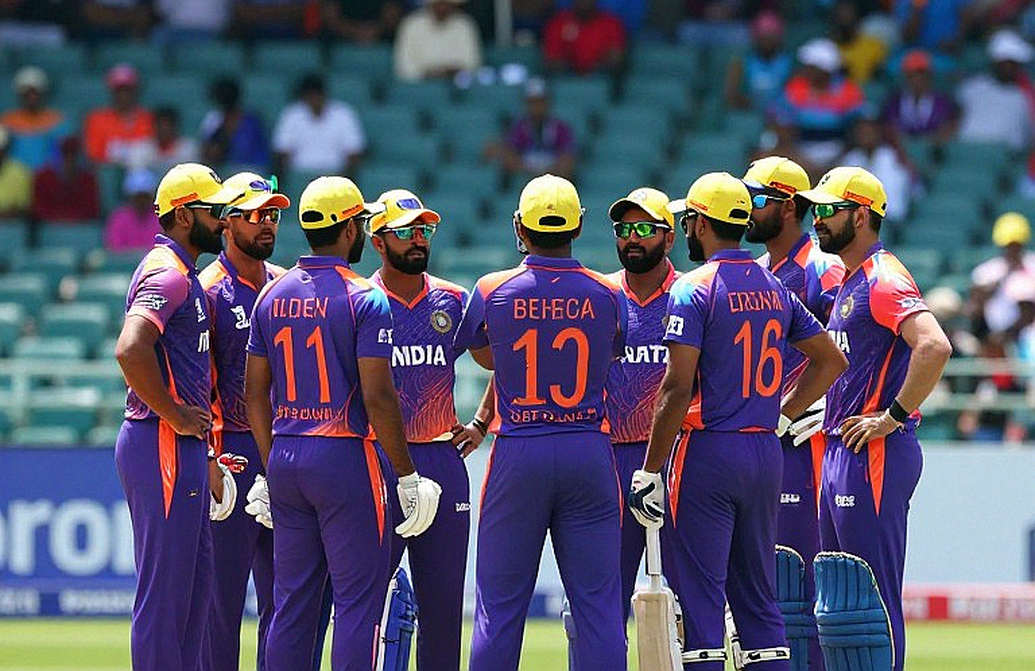
cricket_asia is a sub-label, not the parent Cricket label. That is a schema mismatch in itself, and it can corrupt both routing and benchmark selection downstream. But first, what the label does and does not say. Asian cricket spans four things: ACC events such as the Asia Cup; bilateral series involving India, Pakistan, Bangladesh, Sri Lanka, Afghanistan, Nepal, UAE and Oman; Asian domestic leagues — IPL, PSL, BPL, LPL, ILT20; and board-level governance across BCCI, PCB, SLC, BCB and ACB.
Beyond that scope the label says nothing. The format is undetermined — Test, ODI, T20 or The Hundred. The nature of the match is undetermined — bilateral series, ICC global event or franchise fixture. Until those two are fixed, every statistic is meaningless, because a Test strike rate and a T20 strike rate are not weighed on the same scale.
For a reporter, a label is a search key, not a search result. When I go looking in old files I search by name first, then by the smell of the page, then by the replay. A key is never a witness.
Now the part that matters most: diagnosing the emptiness. Six causes are possible, and they carry different likelihoods. At the top sits the case where the source fields were never populated upstream at all — empty URL, empty body. Title, source and type all reading N/A at once points there. Second is a paywalled or JavaScript-rendered page where the extractor succeeded and the content came back blank. Third is a non-text input — a scanned PDF, an image, a video transcript fed to a text decomposer. Fourth is language, and in Asian cricket this one matters most: a Hindi, Urdu, Bengali or Tamil source meeting an English-only extractor can yield zero information points.
The strongest signal is that the label was assigned successfully while every content field failed. That pattern matches an extraction failure after successful classification far better than it matches a genuinely empty document. Someone read the page, understood it to be Asian cricket, and then could not pull a single fact out of it. The distinction matters because classification is cheap and extraction is expensive; a blank page can be labelled from its headline alone.
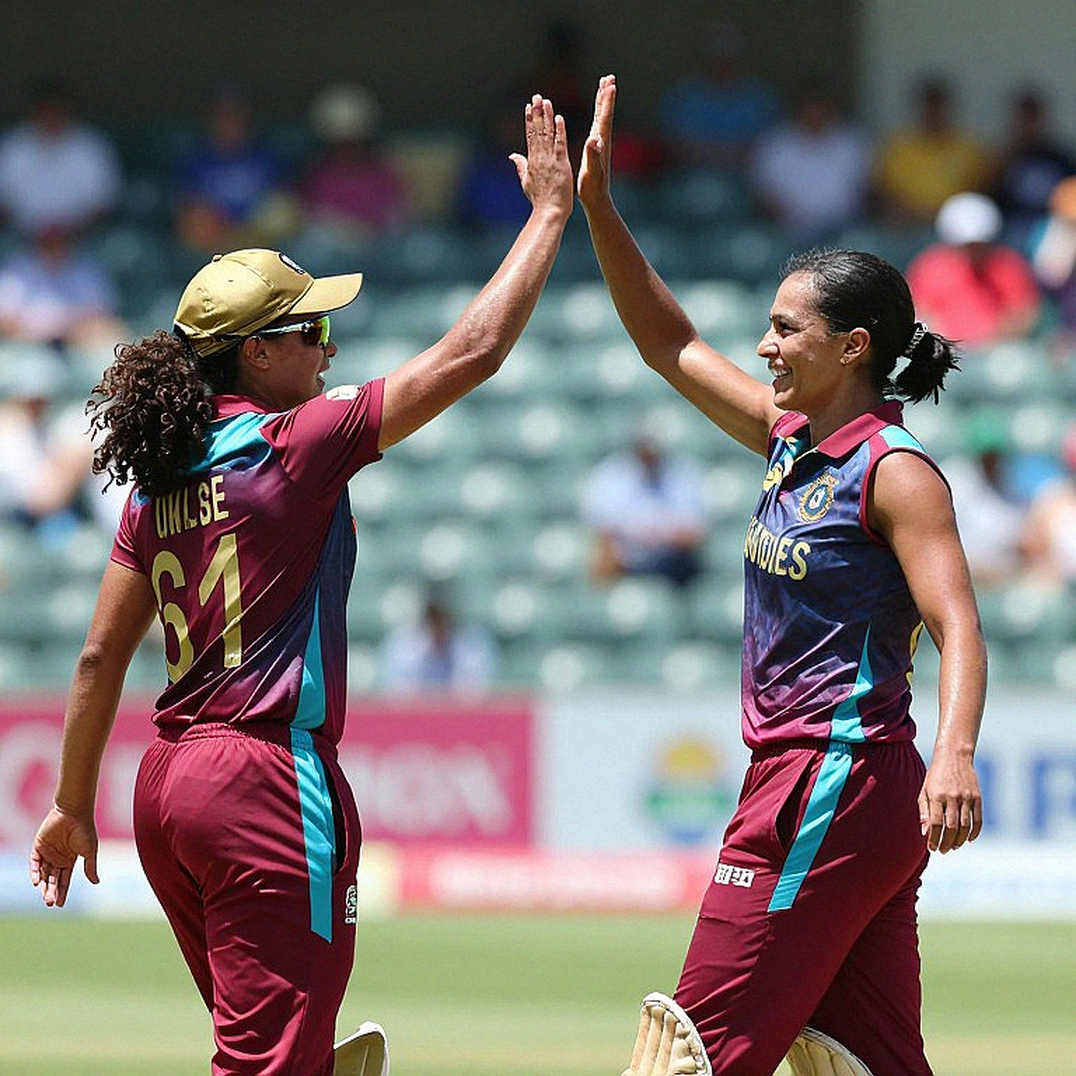
The diagnosis produces a practical checklist — the minimum information without which no analysis should proceed. Five things: the format, at least one match or event, at least one named entity, a publication date, and a named source. With any one missing, the rest is decoration.
Format is the first discriminator because it decides which metric even counts. In T20 the powerplay is the first six overs, an economy rate under seven is generally excellent, and a finisher is benchmarked around a strike rate of 180. In ODI the two new balls reshape the entire opening structure, and the final ten overs tell a separate story. In Test cricket the conventional follow-on threshold is a 200-run lead, declaration timing and session-by-session win share matter, and the WTC points table has its own arithmetic. If rain arrives, no score comparison is complete without the DLS revision.
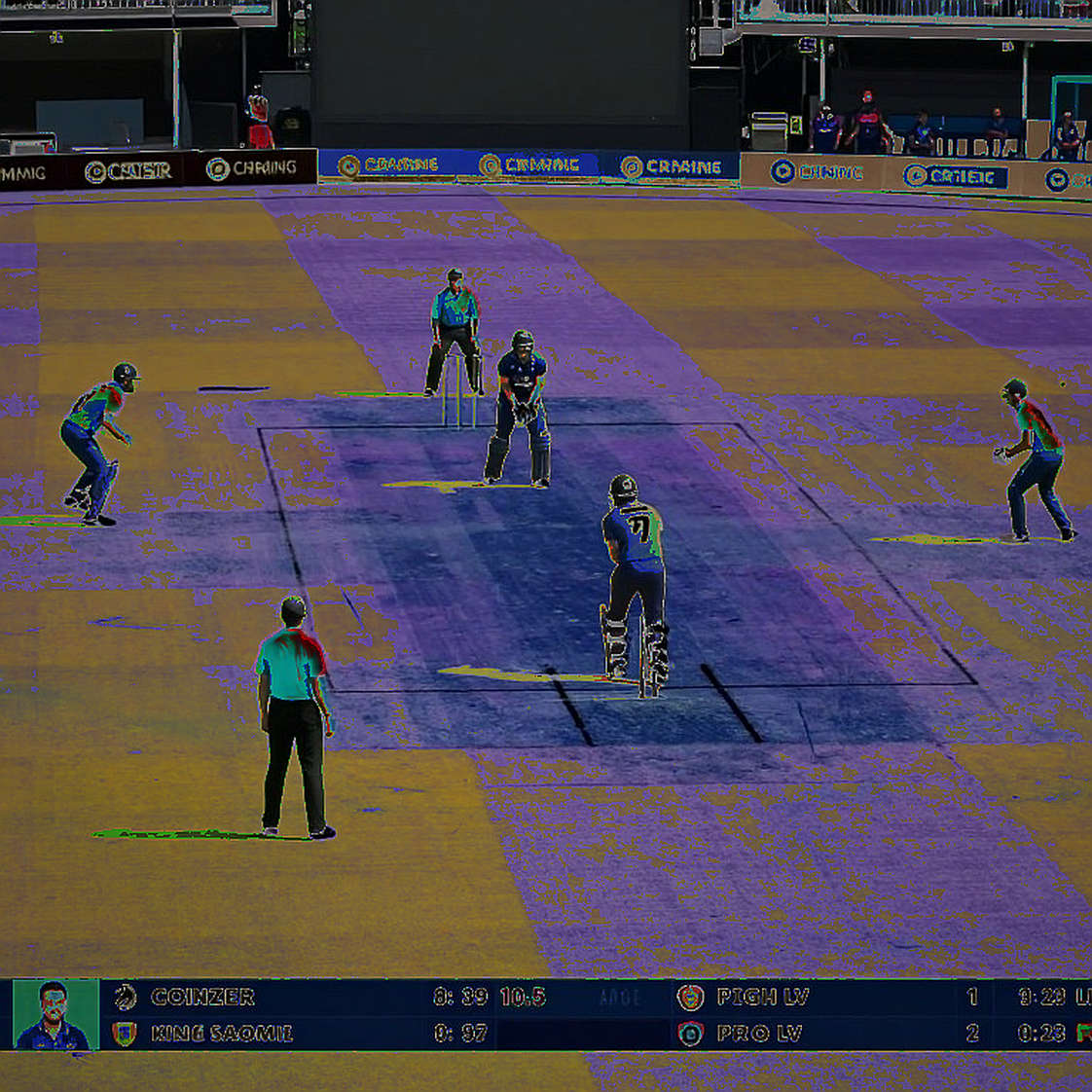
There is a trap here and I want to name it plainly. Every benchmark above is pre-loaded — T20's 7.00 economy, the 200-run follow-on, DLS, Right to Match, NOCs, the Big Three revenue structure. But a benchmark without an entity attached is scaffolding, not a finding. A ready formula written on a blank sheet is just as dangerous, because a written formula persuades the reader that the calculation has been done.
In player analysis my order has always been role first, metric second. Opener, middle-order anchor, finisher, pace bowler, spinner, all-rounder, wicketkeeper-batter — only once the role is fixed does it become clear which number to look at. That is why home-away splits tend to be more decisive for Asian players than for most others: subcontinental turn and low bounce on one side, SENA seam and bounce on the other, produce two different faces of the same batter. Any emerging number should carry a small-sample flag until several seasons and several conditions are attached to it.
In team analysis the fastest discriminator is the away record. Performance in SENA conditions — South Africa, England, New Zealand, Australia — is what separates a real ranking from one built on home surfaces. ACC tournaments add another layer, because neutral venues, chiefly the UAE, rewrite the old home-away arithmetic entirely.
On league economics I hold one condition: an auction price and international dominance are two different things. Right to Match, the politics of the NOC, and the revenue-sharing structure among the Big Three — India, England, Australia — all prevent an Asian league story from collapsing into a mere player story. A board's income runs directly through broadcast rights, and that is where next cycle's player fees and calendar density are decided.
On governance and integrity the historical precedents are ready — the 2026 Cronje affair, the 2026 Pakistan spot-fixing case, the 2026 IPL spot-fixing case — but no incident is recorded here. The existence of history is not evidence of a present allegation.
The risk matrix walks through sport, injury, calendar, commerce, governance and public opinion, and stops at N/A every time. The only risk that can honestly be rated High is the risk to the analysis pipeline itself, and that risk has already materialised.
The contrarian point is that the greatest danger in this empty file is not the absence of data. Absence is honest; it announces itself. The danger is the velocity the modern cricket media system is built for. The largest consumer of live data today is the betting and fantasy chain, and what that chain values most is speed — not the right number, the fast one. When the upstream pipeline sends an empty record, the summariser downstream fills the vacuum with something Asia-Cup-shaped, because the label gave direction and the deadline gave pressure. That is the quiet propagation worth fearing most: a record that looks analysed and is not.
The pressure reaches me too. When I started at Mid-Day in 2026, news meant the thing I had seen myself. Now news often means the thing that reached a screen first. The difference is that errors used to get corrected; now they get copied into three more pipelines below.
So this report will carry no team, no player, no score, no record. Filling it is easy — the Asia Cup, India-Pakistan tension, the IPL auction are all ready and all readable. All three would be invented. Old files never quite close for me; they only change formations — and changing a formation is not the same as forging one. I trust the archive, then I test it against the touchline; and when the archive itself is empty, there is nothing left to test.
When the re-ingest lands and the information points are populated, my first question will be the one that followed the 54 pages of the Houghton file: what was the shape, what were the counts, and does the outcome follow from those counts. That order cannot be reversed. Until the five minimum items arrive — format, event, entity, date, source — this file stays open. And with an open file only one question stays honest: when your notebook is blank, do you write the news or manufacture it?